Waypora.
InspirationDispatch no. 05 · October 2026

The case for
the shoulder season.

Peak season is a price, not a guarantee. The weeks either side of it bring most of the weather, a fraction of the crowds and the rooms that were sold out a month later. Here's when the shoulder falls in each country on our shelf, what it costs you, and what it gives back.

The second-best month is usually the best trip.

Why the shoulder wins

  1. 01

    Most of the weather

    Shoulder months sit right beside the best ones. The sea is a little cooler and the evenings come sooner, but the days you'll remember look the same.

  2. 02

    A fraction of the crowd

    School holidays and peak flights set the crowds, not the weather. Step a few weeks outside them and the queue for the famous view mostly disappears.

  3. 03

    The room you actually wanted

    The lodge that was full in August has your favourite room in October — often for less, and with staff who have time to talk.

The shoulder, country by country

Each pick reads one band of that country's season chart — the full month-by-month picture is on its guidebook page.

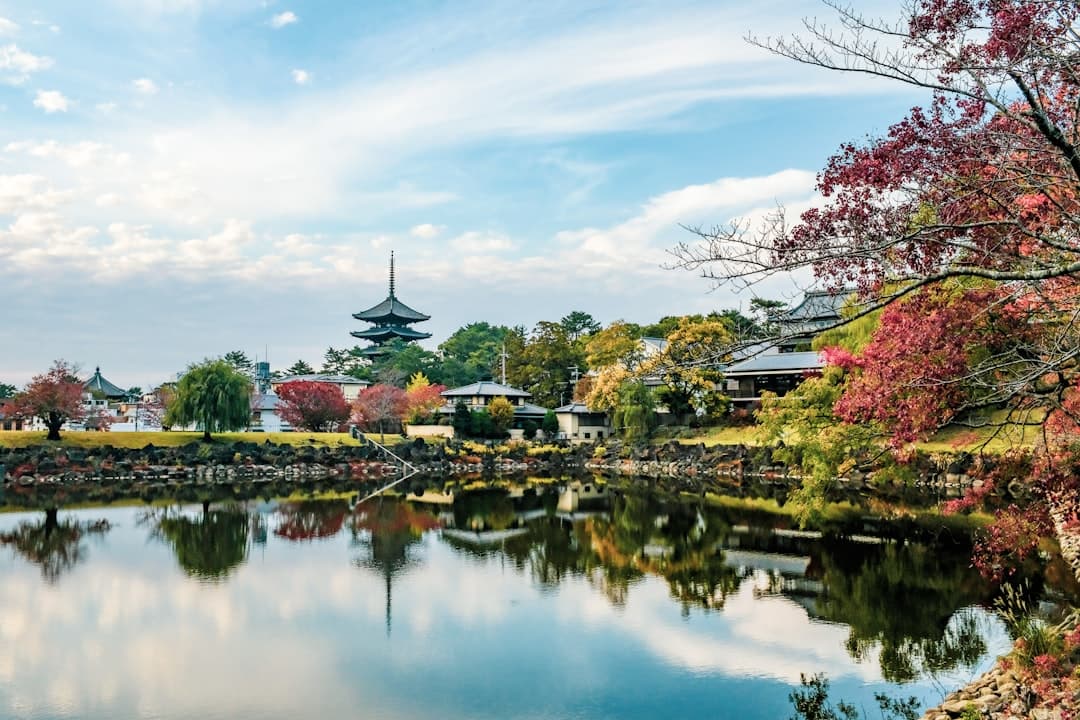
A pagoda framed by autumn maple leaves

The classic route — cities, temples, coast

Japan

March · December

You trade
Cold mornings and early dark; early March brings plum blossom, not cherry.
You get
Kyoto's temples without the crush, Fuji at its clearest across the winter air, and better rooms for less — and late March can catch the first cherry blossom.

“Kyoto in early December — the last maples, and the temples nearly to yourself”
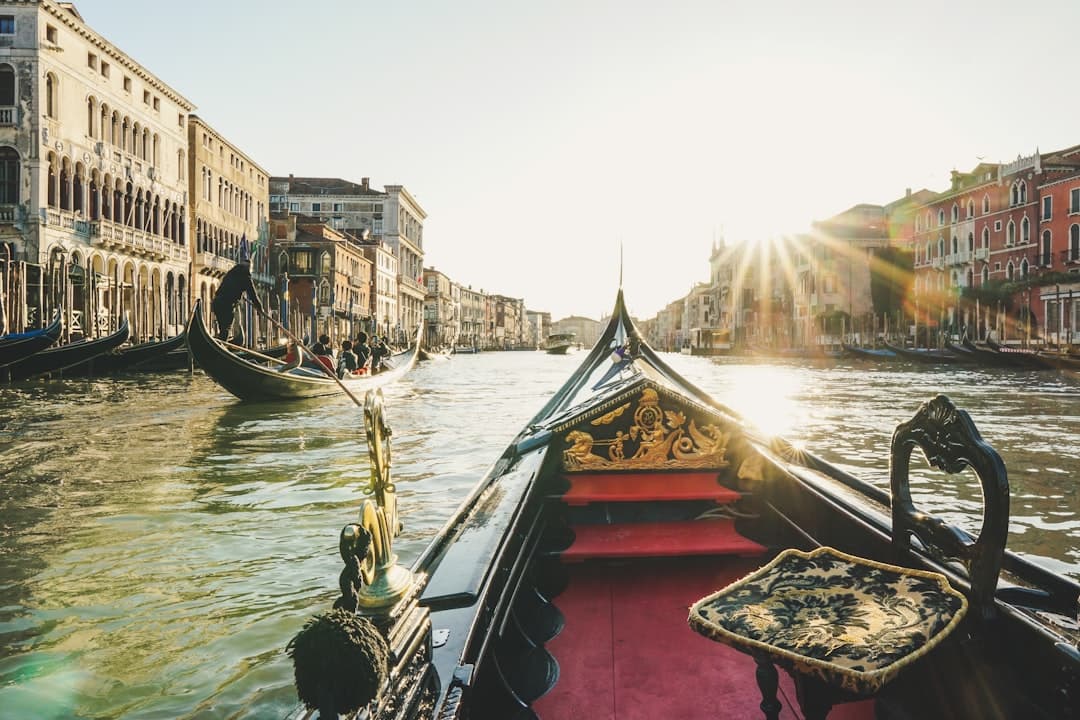
A gondola slipping down a quiet Venetian canal

Cities & the classics — Rome, Florence, Venice

Italy

March · November

You trade
Shorter days, the odd grey and rainy spell, and some seaside hotels shut for the winter.
You get
Rome, Florence and Venice with room to breathe, museum slots you can actually book, and November's new olive oil on everything.

“Venice in November mist — the city as it looks in the paintings”

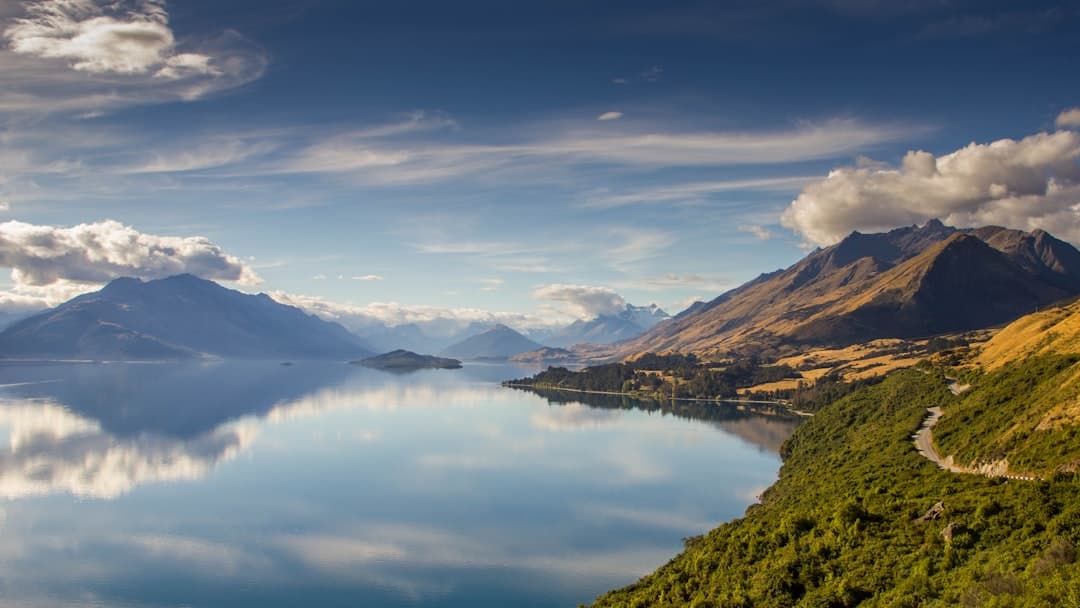
Lake Wakatipu stretching toward Glenorchy, mirroring clouds beneath golden mountains

Roads, trails & beaches

New Zealand

April · November

You trade
Cooler evenings and changeable weather — pack layers and keep a spare day.
You get
Autumn gold through Central Otago in April; lupins, long light and empty trails in November, before the Christmas holidays fill the roads.

“Arrowtown in late April, when the poplars turn gold”

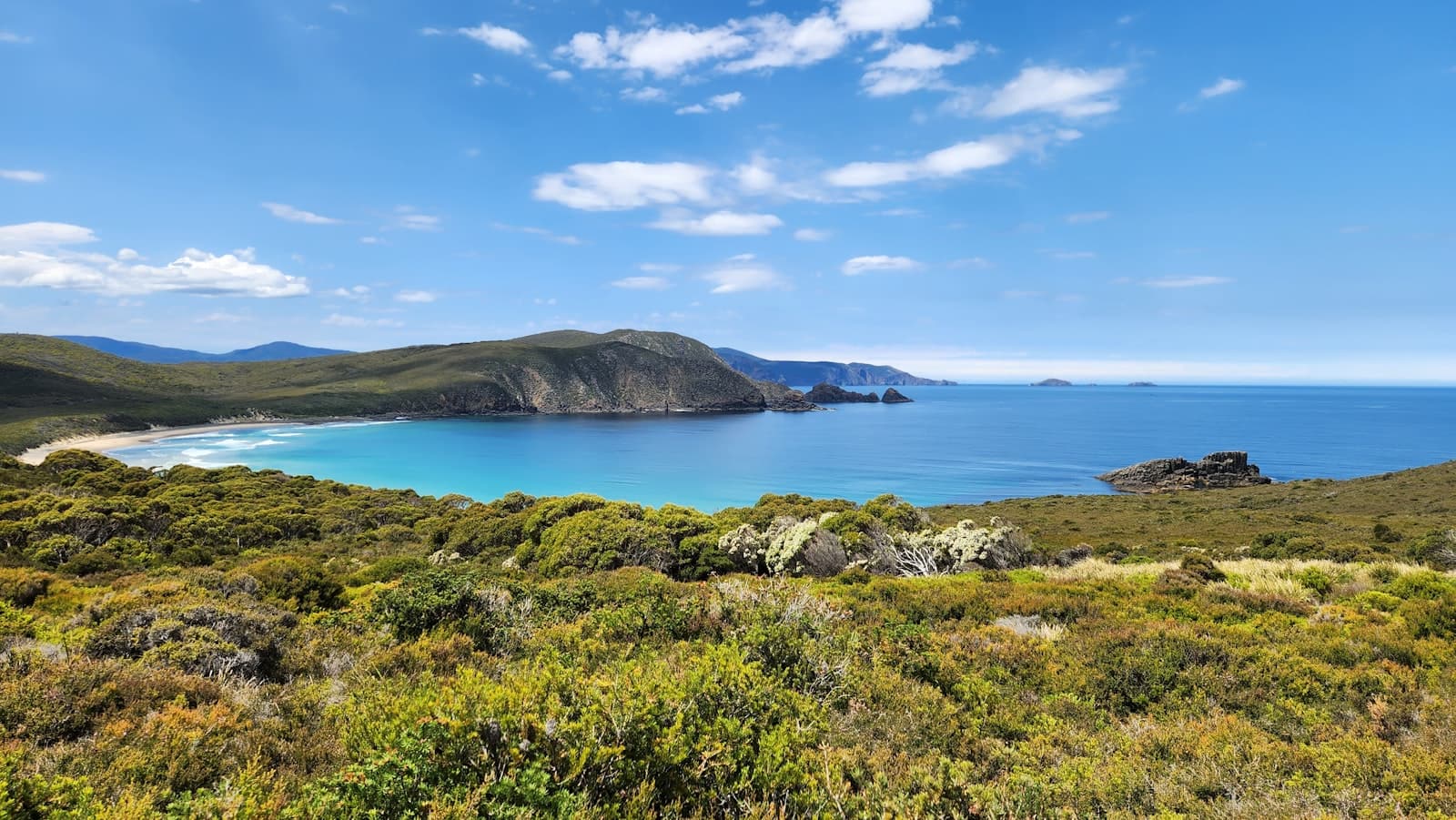
An empty turquoise bay ringed by coastal heath in southern Tasmania

The south — Sydney, Victoria, Tasmania, SA

Australia

April · September

You trade
A cooler sea for swimming, and shorter days by late April.
You get
Settled autumn weather and harvest in the wineries in April; spring blossom, whales off the coast and room in the good places in September.

“Tasmania around Anzac Day — Cradle Mountain's beech turning gold”

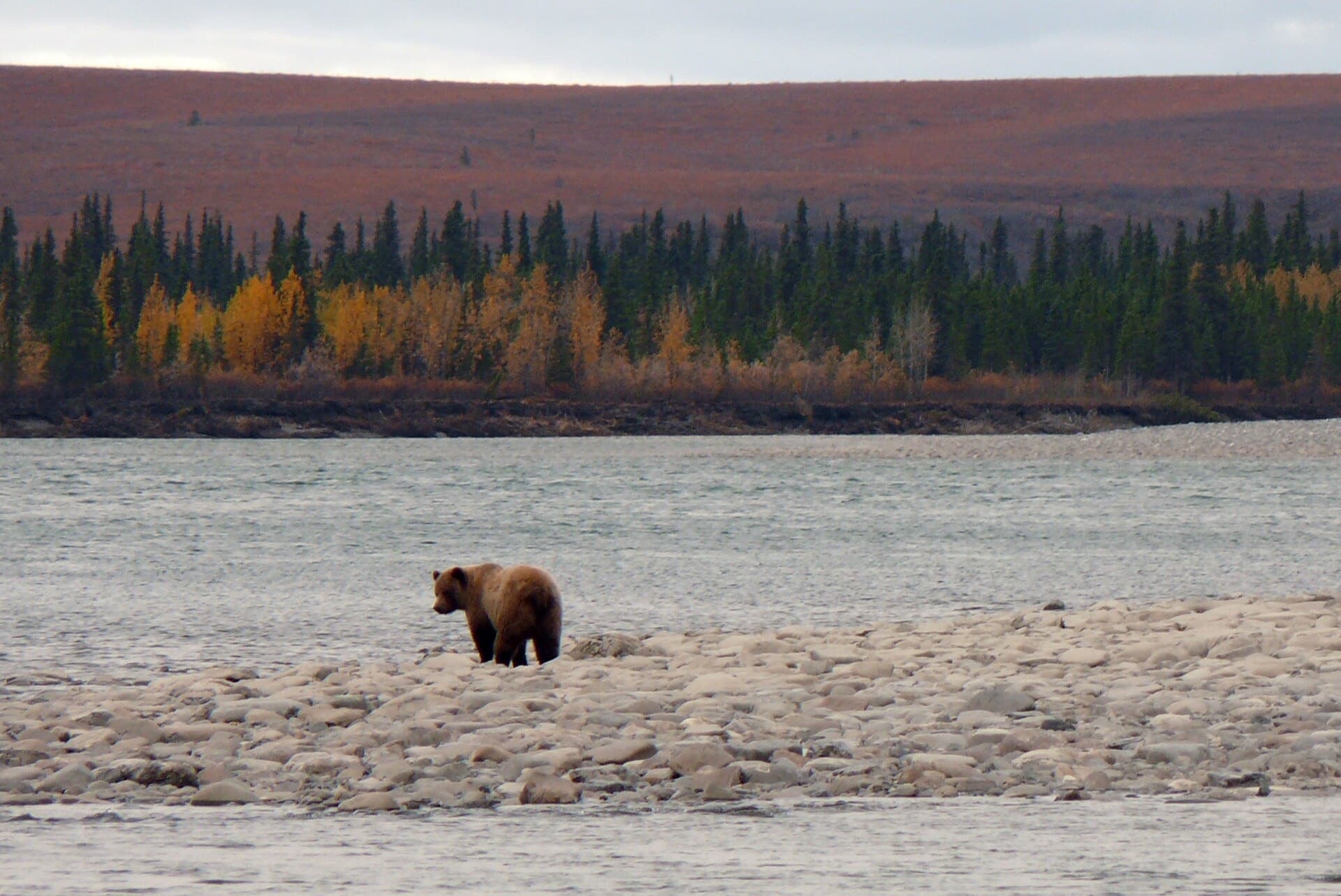
A grizzly bear walking a stony riverbank

The west & the Rockies

Canada

May · October

You trade
High lakes can still be frozen in May, and some roads and lake shuttles close by mid-October.
You get
The famous viewpoints without the queues, bears grazing the spring valleys, and room rates well below July's.

“Late May in Jasper — bears in the roadside meadows, peaks still white”

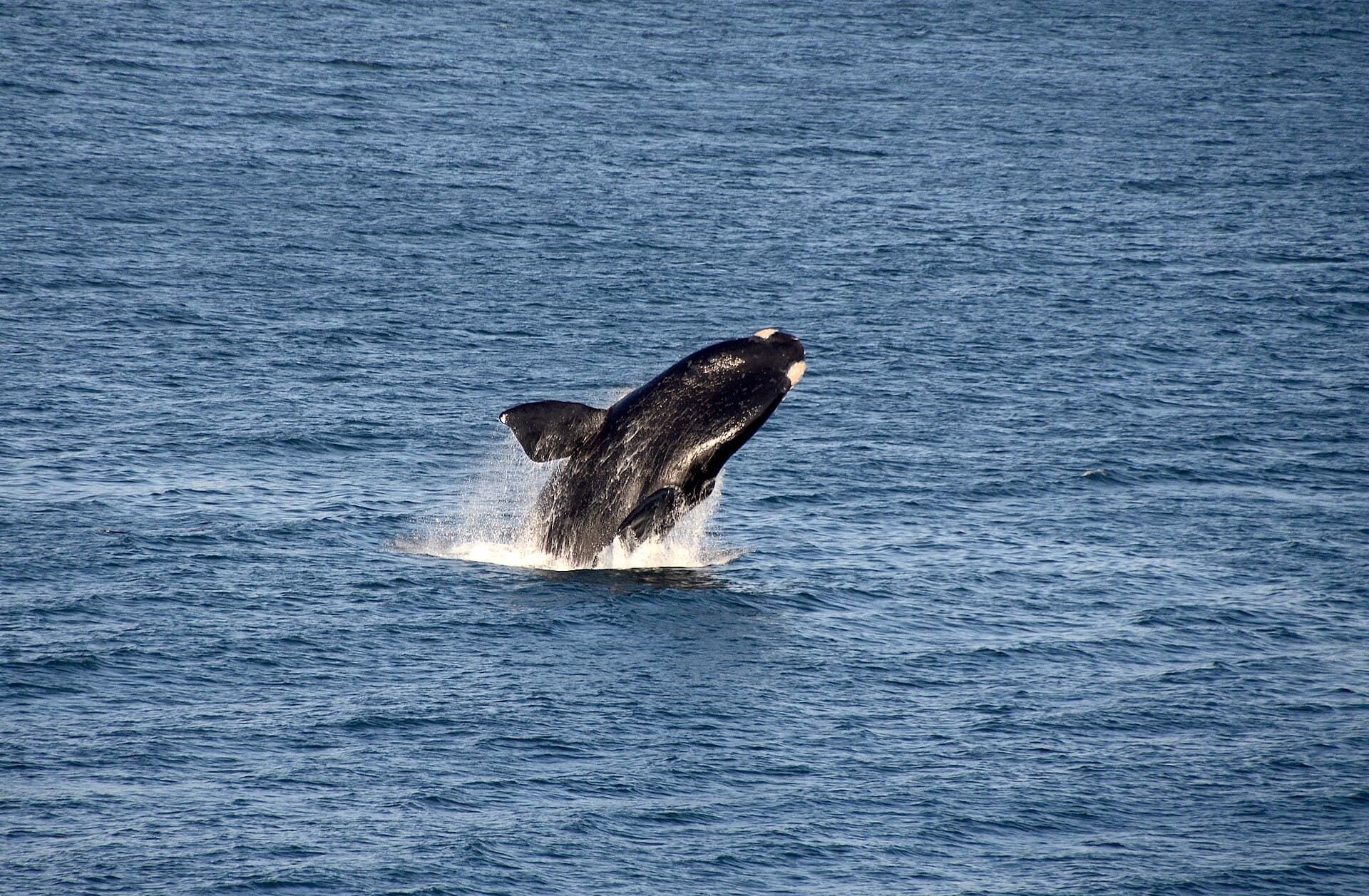
A southern right whale breaching off the Overberg coast

Cape Town, Winelands & Garden Route

South Africa

April · October

You trade
A cooler sea and the occasional wet, windy front through the Cape.
You get
The Winelands' harvest wrapping up in April; whales off Hermanus and the Garden Route in October; long dry days without the summer holiday crowds.

“Hermanus in October — whales close enough to hear them blow”

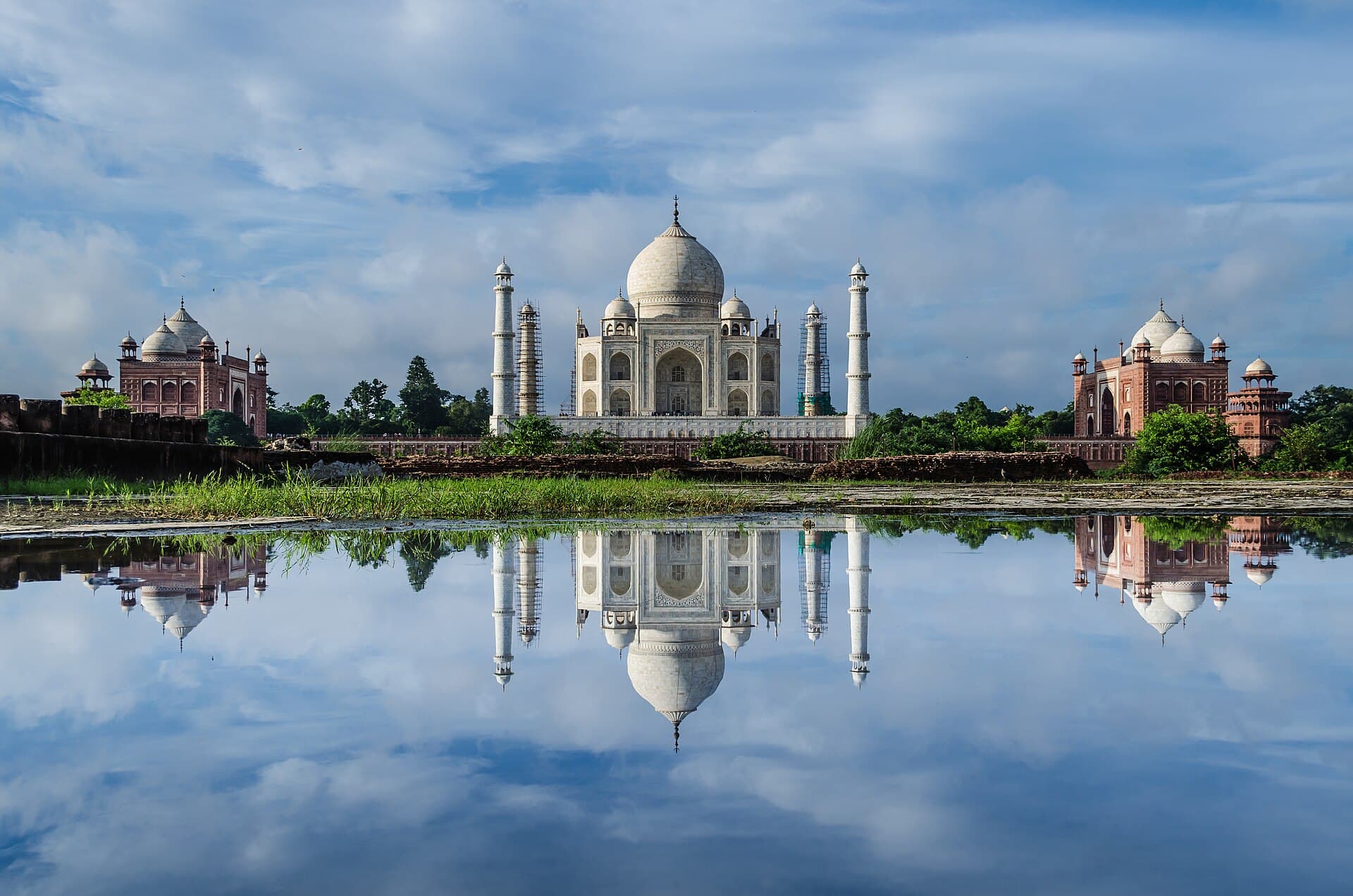
The Taj Mahal seen across the Yamuna river

The north — Delhi, Agra & Rajasthan

India

April · September

You trade
Heat building fast by April; late September can still be humid, with a stray monsoon shower.
You get
Landscapes washed green by the rains, quieter monuments, and hotel rates from before the October rush.

“The Taj at sunrise in late September, the air rinsed clean by the monsoon”

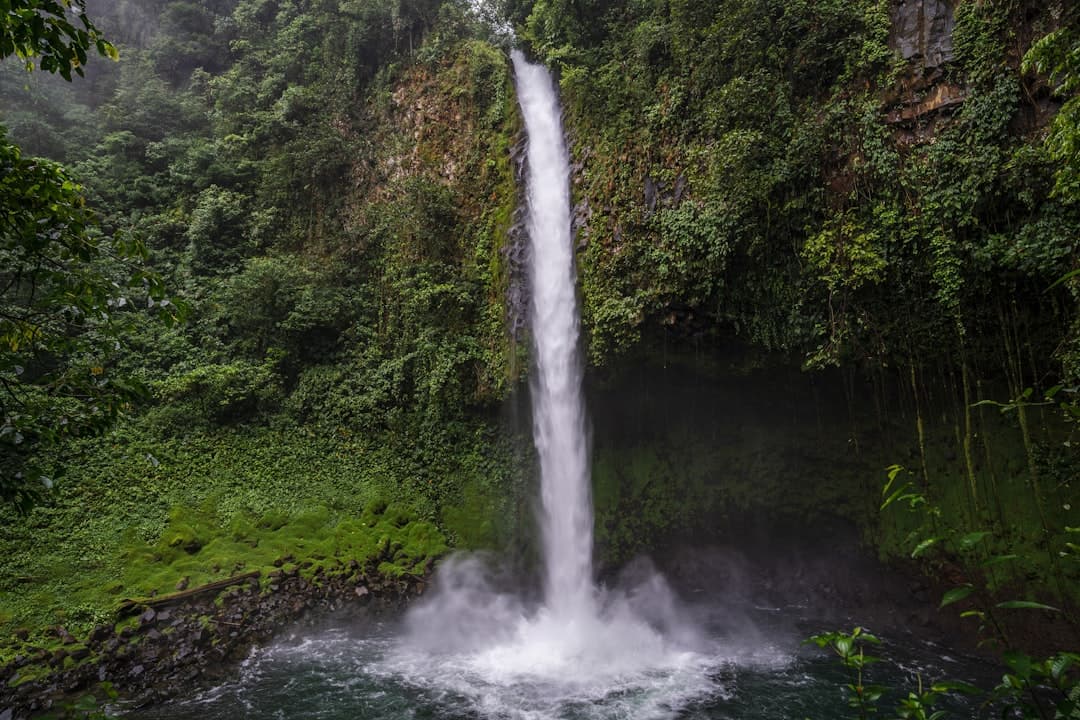
La Fortuna's waterfall pouring into a jungle pool

Pacific side & the cloud forest

Costa Rica

May · November

You trade
Afternoon downpours most days — plan mornings for the outdoors.
You get
Everything at its greenest, waterfalls running full, and lodges at green-season prices with space to spare.

“Late November — green everywhere, and the Christmas crowds still weeks away”

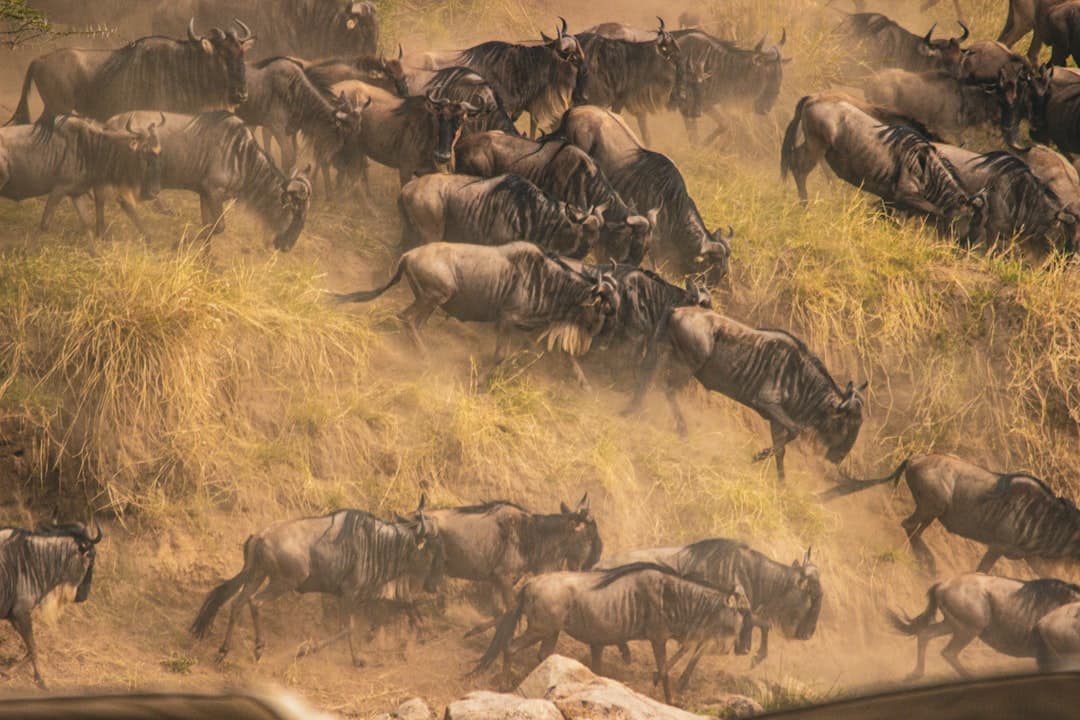
A wildebeest herd kicking up dust across the Serengeti grassland

Safari — the northern circuit

Tanzania

March · November · December

You trade
The short rains of November and the odd afternoon storm; by April the long rains close some camps.
You get
Green plains filling with herds heading south to calve, soft light, and green-season rates at the camps.

“The southern Serengeti in early December — the herds arriving, the vehicles not”

When peak season earns it

Some things only happen in the busy weeks. Go then, eyes open, and book early.

Blossom and maples in Japan

Cherry blossom (late March to early April) and autumn colour (mid to late November) can't be shouldered. Book early, start every day at dawn, and accept the company.

The river crossings in the Serengeti

The Great Migration's Mara River crossings run from July to October in the north. If the crossings are the dream, peak season is simply when they happen.

Snow

Ski seasons don't do shoulders: Japan's powder peaks in January and February, Canada's from December to March, New Zealand's from July to September.

School holidays you can't move

Then go where your peak is their prime. August is cold and wet in the Cape, but it's the very best time for safari in Kruger and the Serengeti.

The shoulder isn't a compromise — it's the trip most people would have chosen if they'd known. Tell the planner your month and it will be honest about what that month is like where you're going, and suggest the one either side if it's kinder.

— the Waypora desk

Boarding pass · valid always

Your next trip is a conversation away.

From · HereTo · AnywhereStatus · Confirmed
Plan my trip

No card required