Tokyo & Around
“The world's biggest city, neighbourhood by neighbourhood”
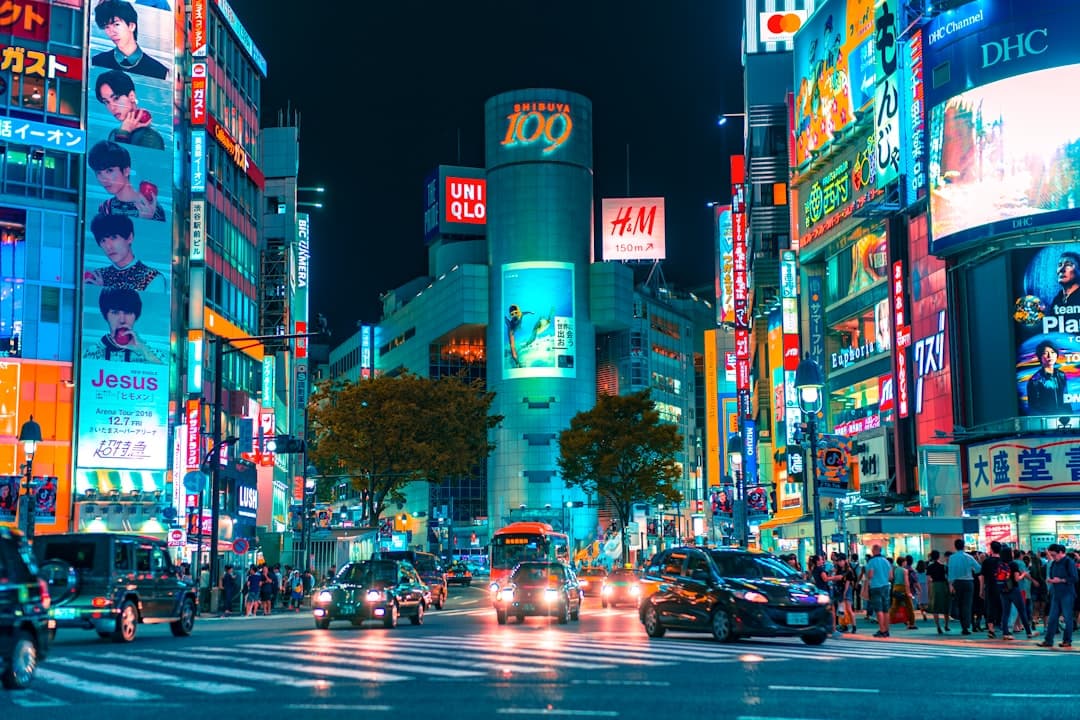
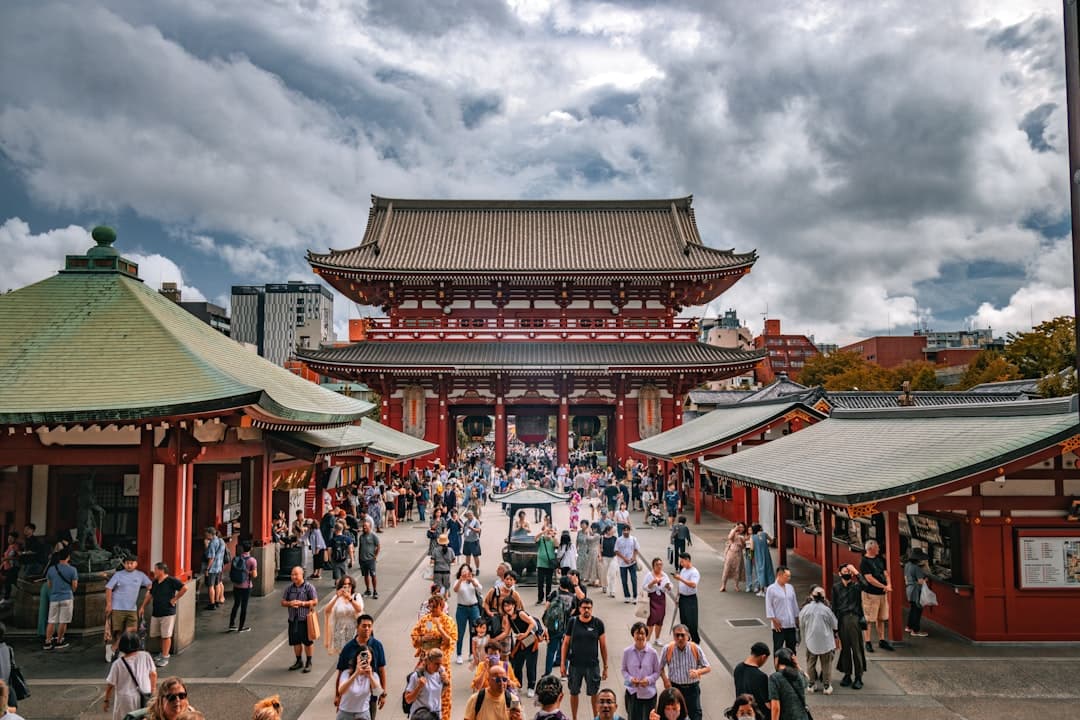
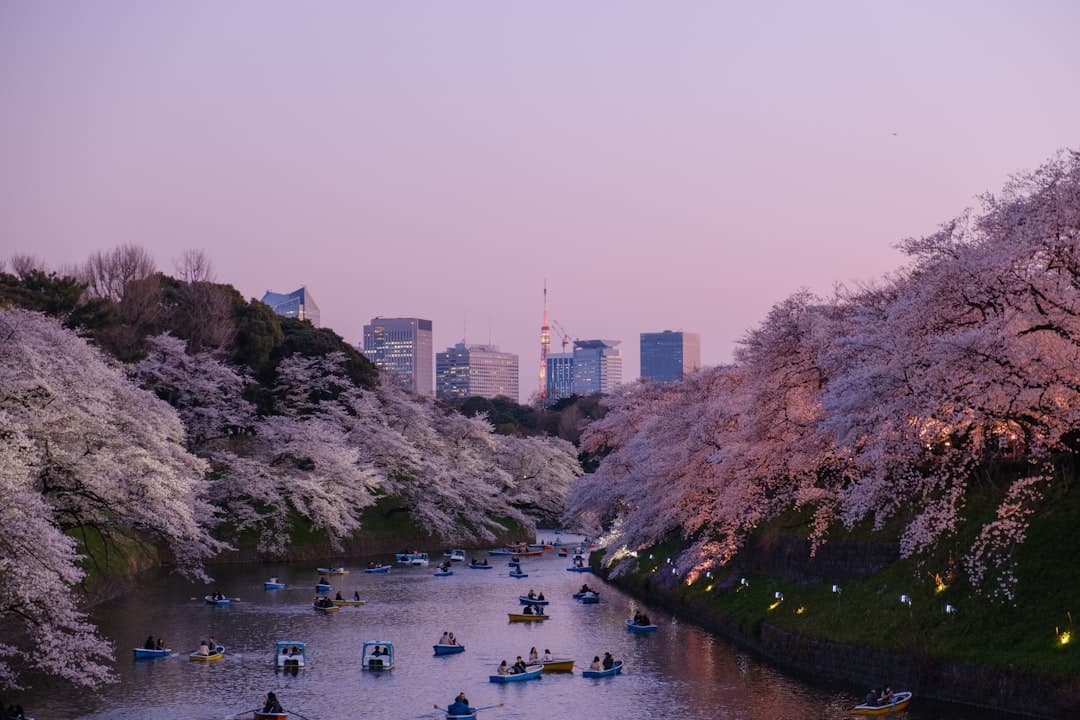
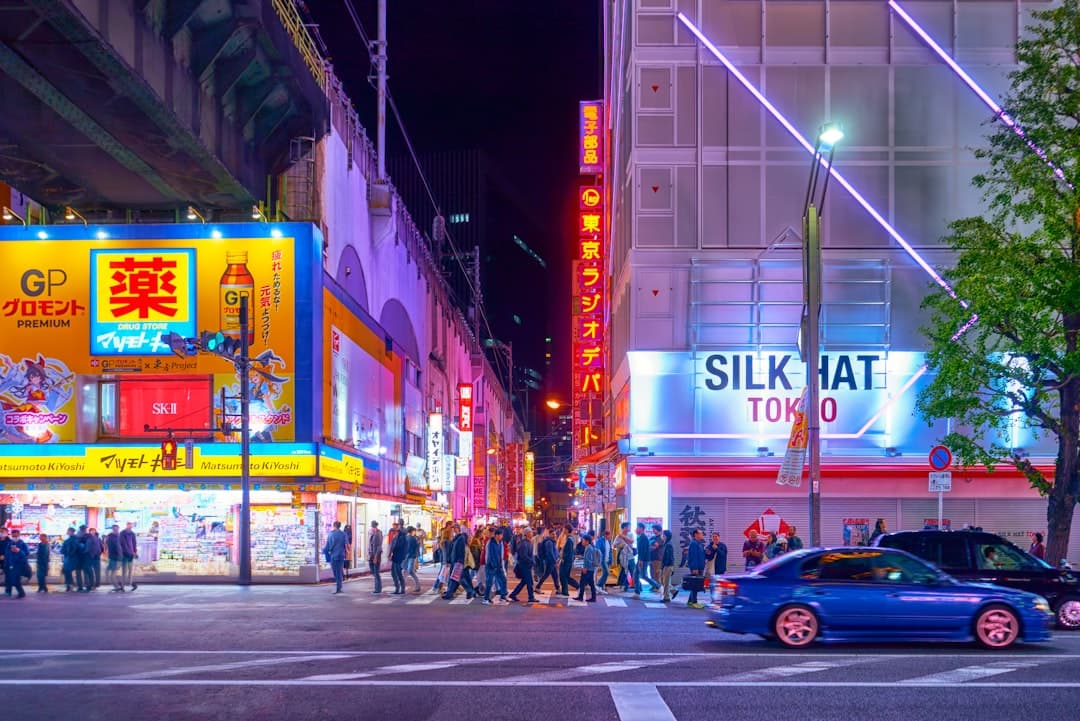
Tokyo isn't one city, it's forty stitched together — treat it that way. Temple incense in Asakusa, the scramble and backstreet bars of Shibuya and Shinjuku, teenage fashion in Harajuku, kitchen-town in Kappabashi. Day-trip to Nikkō's gilded shrines in the cedar forest or Kamakura's Great Buddha by the sea. Give it four nights minimum; it will still win.
- Best time
- March–May and October–November; December is crisp and bright
- Give it
- 4–6 days
- Don't miss
- Sensō-ji, Asakusa · Shibuya & Shinjuku after dark · Tsukiji outer market breakfast · Nikkō or Kamakura day trip
Mt Fuji & Hakone
“The mountain, an onsen town at its feet”
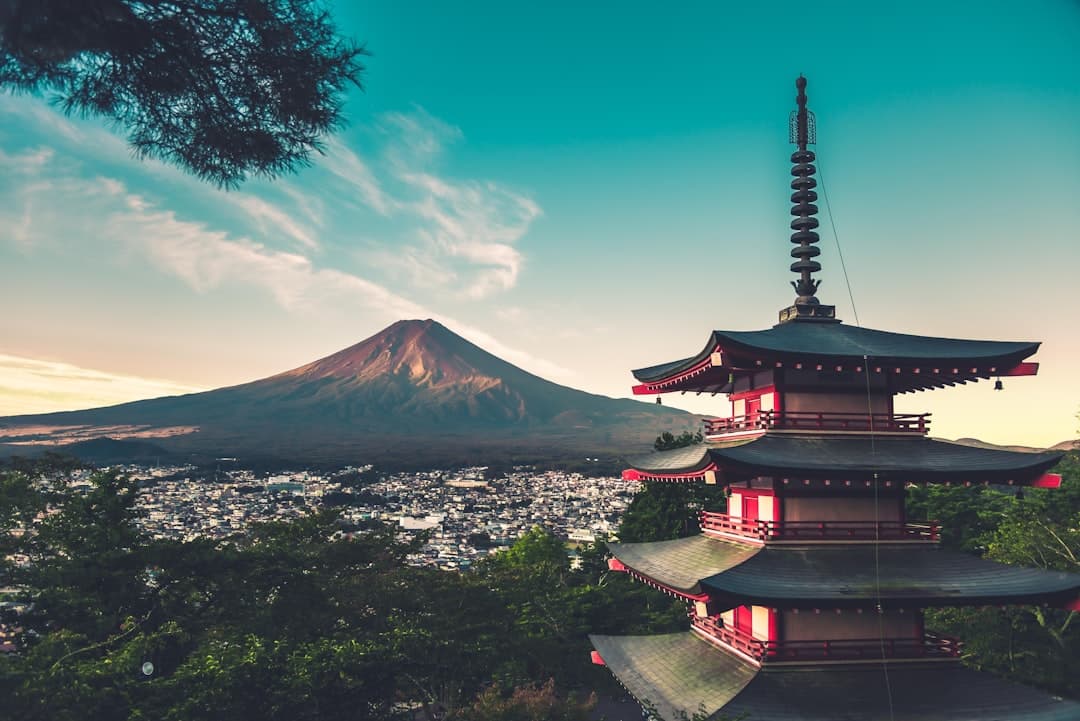
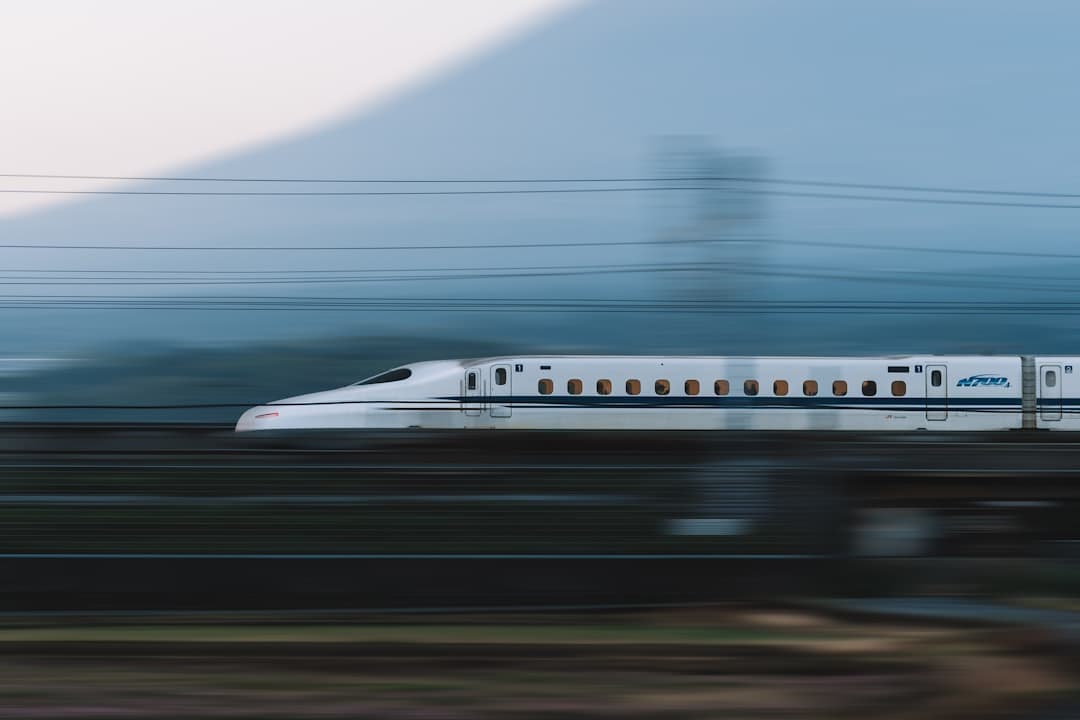
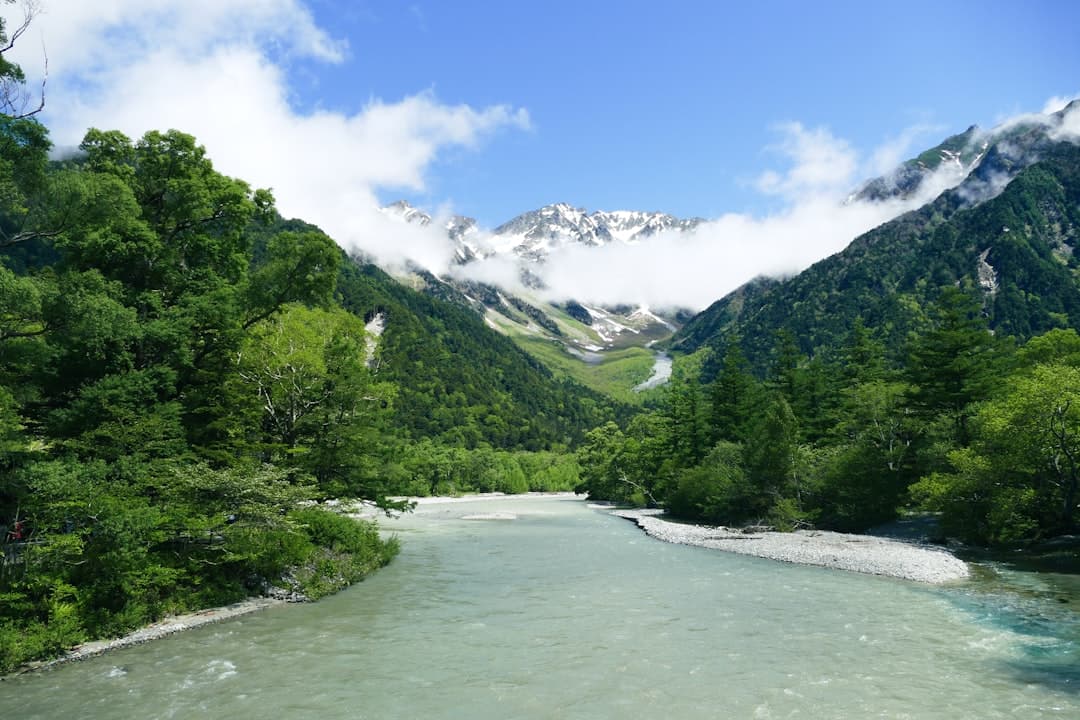
Fuji-san is shy — it hides in haze more days than not — which is exactly why you stay overnight instead of day-tripping. Hakone wraps an onsen resort in mountains: ropeways over sulphur vents, an open-air sculpture museum, black eggs boiled in volcanic springs, and a ryokan night with dinner in-room. The Fuji Five Lakes side trades polish for the classic pagoda-and-peak views.
- Best time
- October to February for the clearest mountain; dawn beats noon
- Give it
- 1–2 days
- Don't miss
- A Hakone ryokan night · Lake Ashi & the ropeway · Hakone Open-Air Museum · Chūreitō Pagoda, Fuji Five Lakes
Kyoto & Nara
“A thousand years of capital, and the deer who bow”
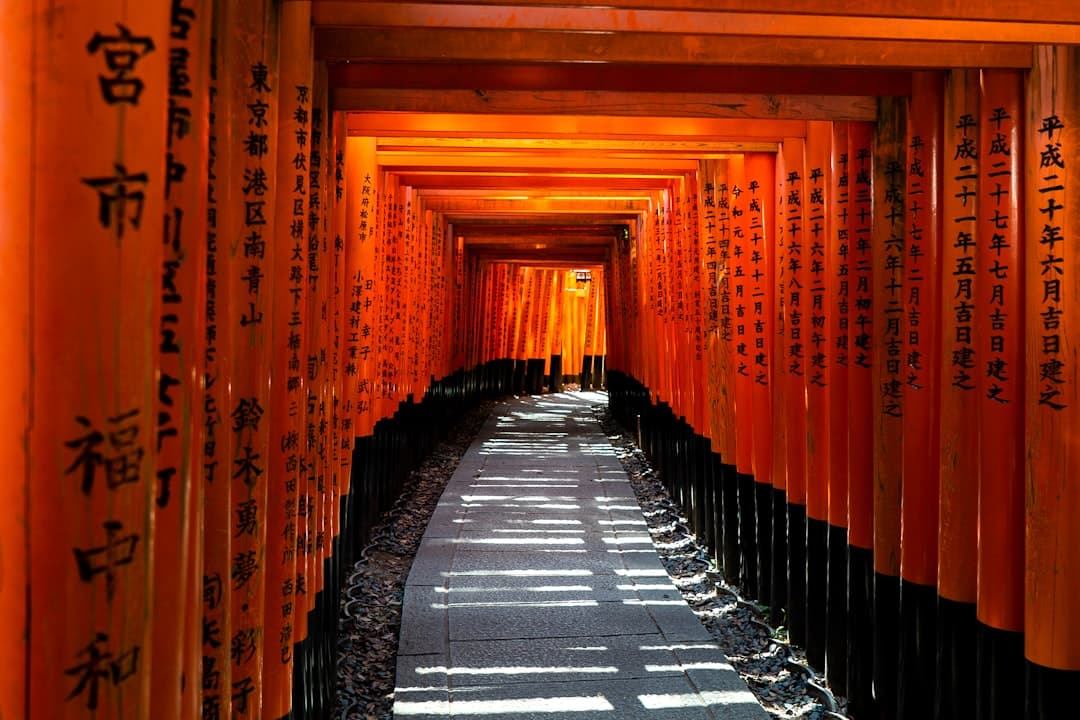
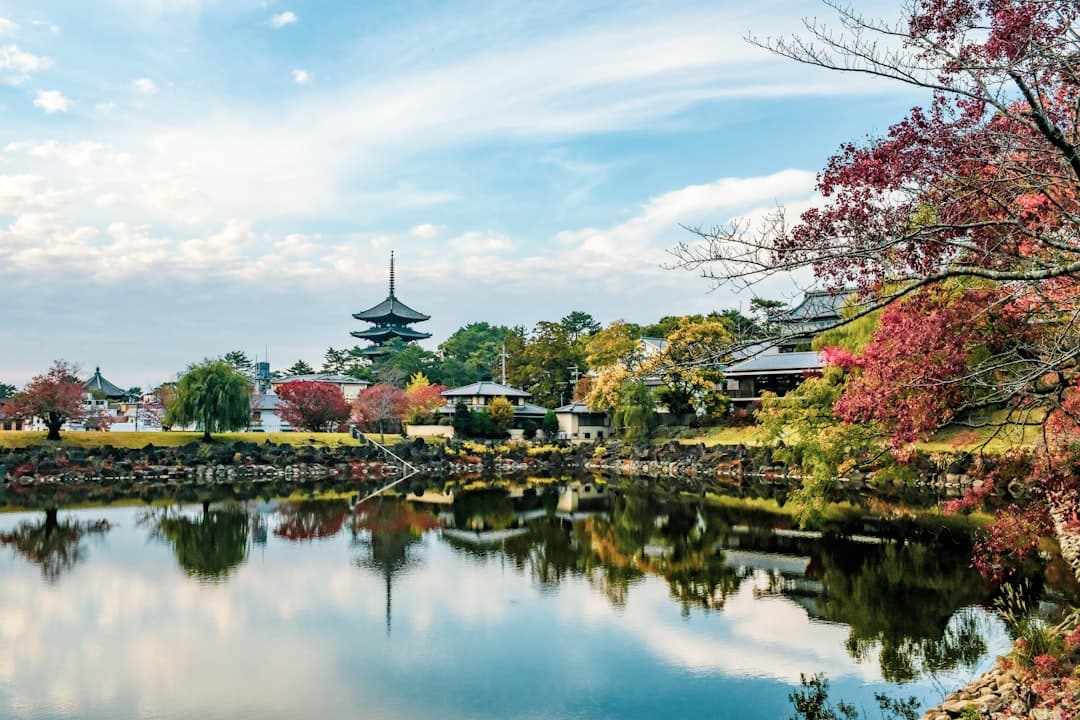
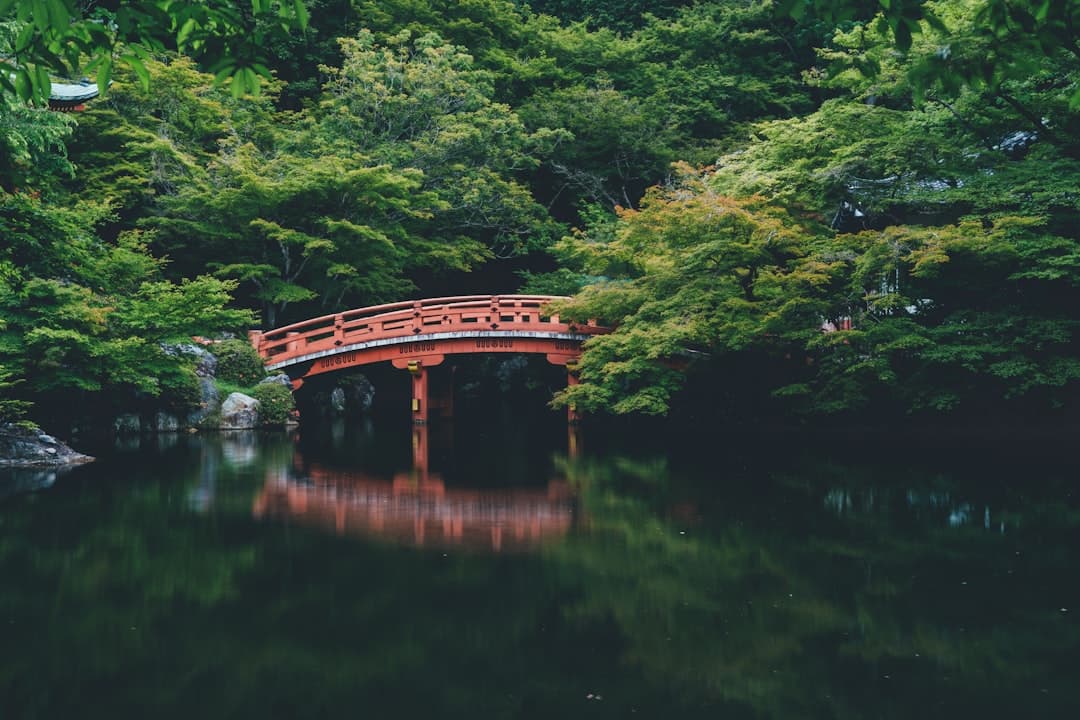
Seventeen World Heritage sites in one city: the vermilion torii tunnels of Fushimi Inari (go at 7am, thank us later), Arashiyama's bamboo, Zen gardens that reward sitting still, and geisha districts where the evening light does the work. Nara, forty minutes away, keeps the giant bronze Buddha and sacred deer who've learned to bow for crackers. Kyoto's magic is early morning and late evening — day-trippers never see it.
- Best time
- November for maples, April for blossom — book a year out for both
- Give it
- 3–4 days
- Don't miss
- Fushimi Inari at dawn · Kinkaku-ji & the Zen gardens · Gion at dusk · Nara's Tōdai-ji
Osaka & Kansai's Kitchens
“Japan's kitchen, loud and proud”
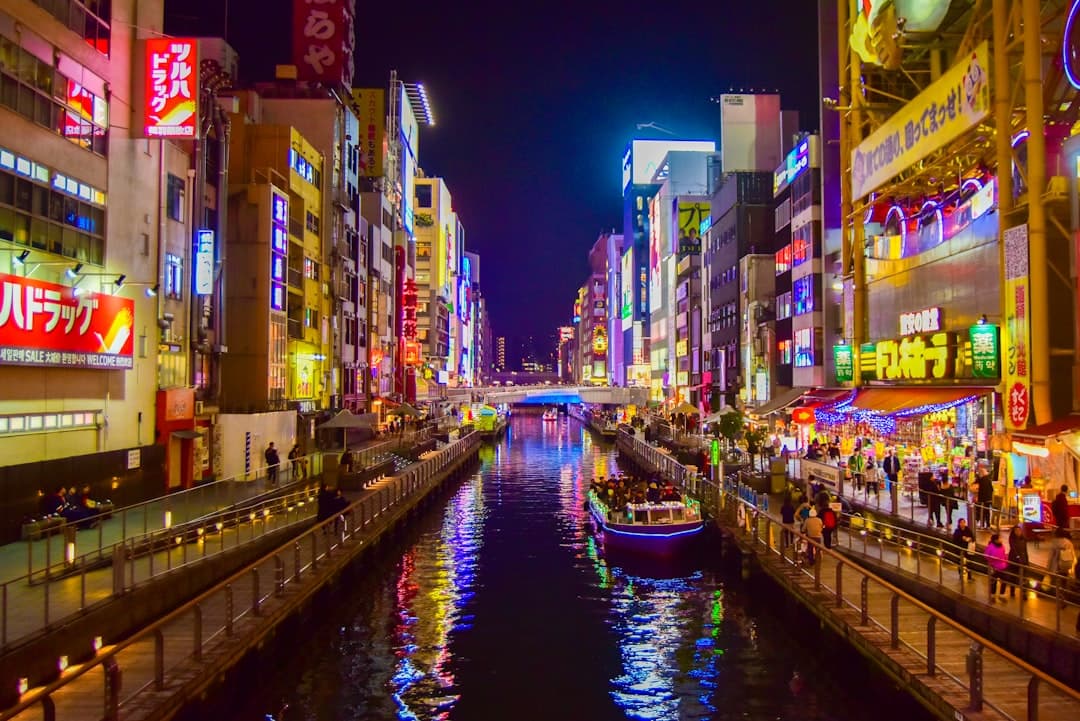
Where Kyoto whispers, Osaka shouts. The national verb here is kuidaore — 'eat yourself broke' — under Dōtonbori's neon: takoyaki, okonomiyaki, kushikatsu, standing bars that treat strangers like regulars. Osaka Castle and the retro Shinsekai district fill the days; Kobe's beef and Himeji's white heron castle — the country's finest original keep — are twenty minutes by train.
- Best time
- Year-round — appetite is the only season that matters
- Give it
- 2–3 days
- Don't miss
- Dōtonbori after dark · Kuromon market · Himeji Castle · Kobe beef, at the source
Region · 05
Chūbu · Hokuriku
The Japan Alps & Old Towns
“Merchant streets, thatched villages, snow walls”
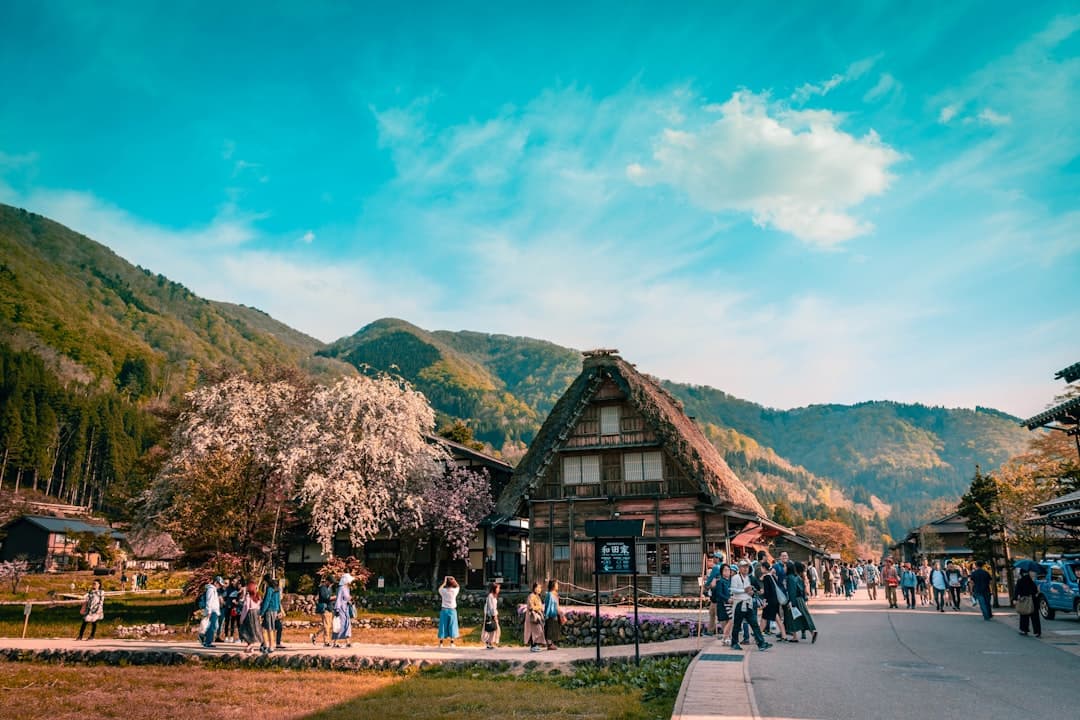
The Edo period survives up here: Takayama's dark-timber merchant quarter and morning markets, Shirakawa-gō's steep thatched farmhouses (magical under snow, quieter at dusk), and Matsumoto's black crow castle. Kanazawa anchors the west side with one of Japan's three great gardens and a samurai district that out-Kyotos Kyoto for atmosphere with a tenth of the crowds.
- Best time
- April to November for the passes; January–February for snow-globe villages
- Give it
- 3–4 days
- Don't miss
- Takayama's old town & morning market · Shirakawa-gō · Kenroku-en garden, Kanazawa · Matsumoto Castle
Hiroshima & the Seto Inland Sea
“The floating torii, and a city that chose hope”
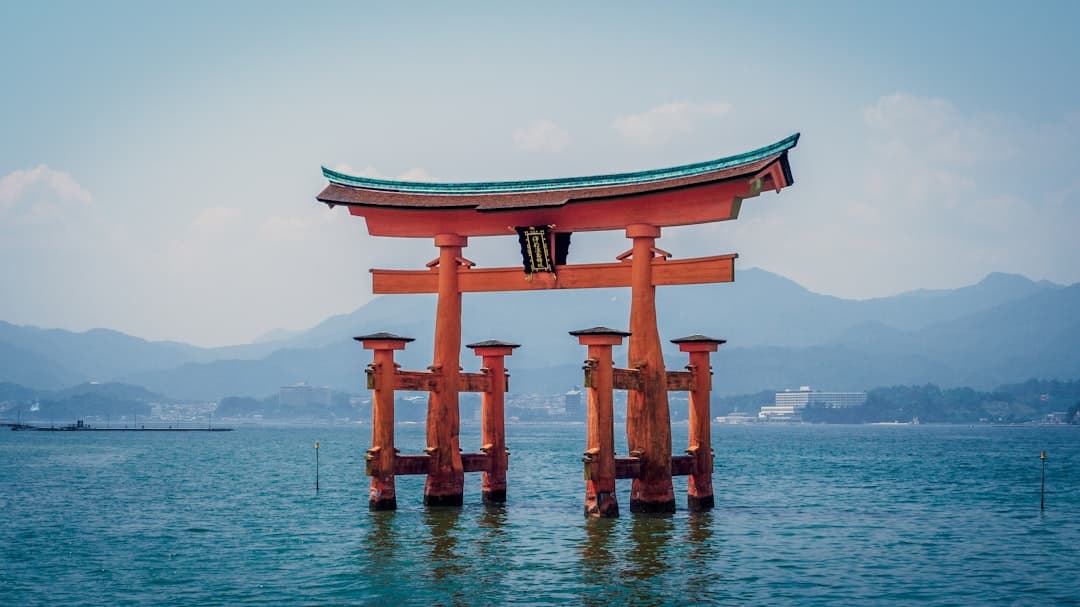
The Peace Memorial deserves an unhurried half-day — it's devastating and necessary, and the modern city around it is defiantly good-humoured (try the okonomiyaki rivalry with Osaka). Miyajima island floats offshore: stay the night, and the great torii, the roaming deer and the lantern-lit streets are yours after the last ferry of day-trippers leaves. Cyclists: the Shimanami Kaidō island-hops across the entire Inland Sea.
- Best time
- March to May and October to November
- Give it
- 2 days
- Don't miss
- Peace Memorial Park & Museum · Miyajima overnight · Itsukushima's torii at high tide · Shimanami Kaidō cycle route
Shikoku & the Art Islands
“Pilgrim paths and museums on the sea”
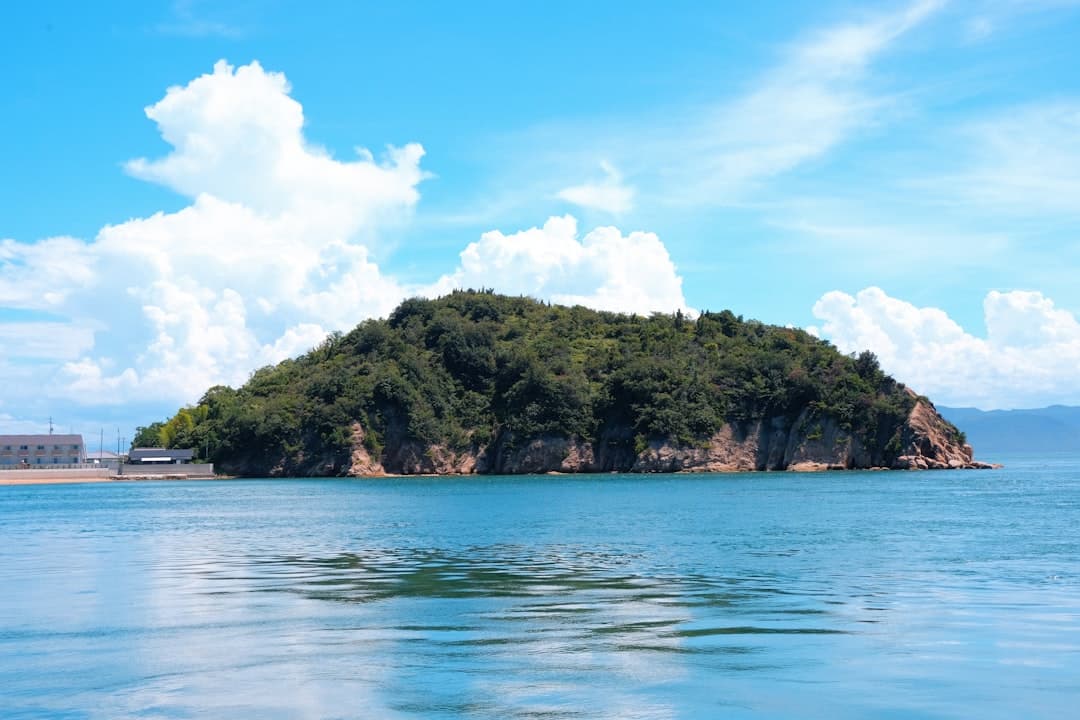
The smallest main island keeps old Japan's pace: the 88-temple pilgrimage circles it (walk a day of it, white jacket optional), vine bridges sway over the Iya Valley's gorges, and Dōgo Onsen has been steaming for a millennium. Offshore, Naoshima and Teshima turned fishing islands into world-class contemporary art — Ando-designed museums, the famous dotted pumpkin, ferries between them. The combination is unlike anywhere on earth.
- Best time
- March to May and October to November; art islands book ahead
- Give it
- 3–4 days
- Don't miss
- Naoshima's museums · Iya Valley vine bridges · Dōgo Onsen · A stretch of the 88-temple path
Kyūshū
“The warm south — ramen, steam and live volcanoes”
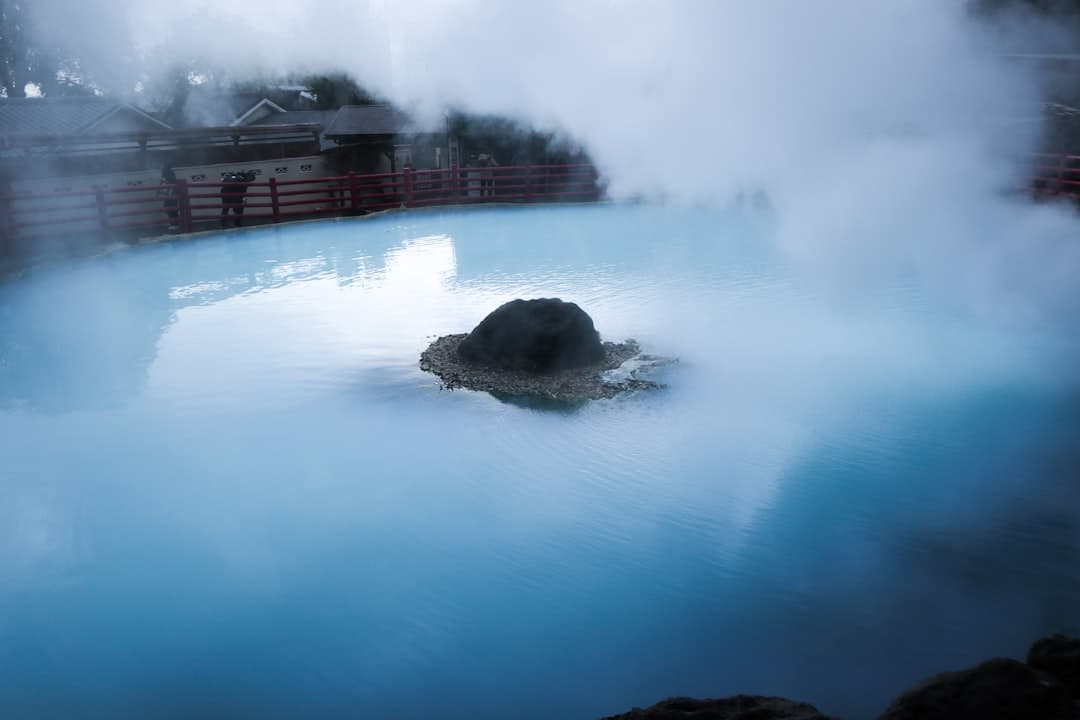
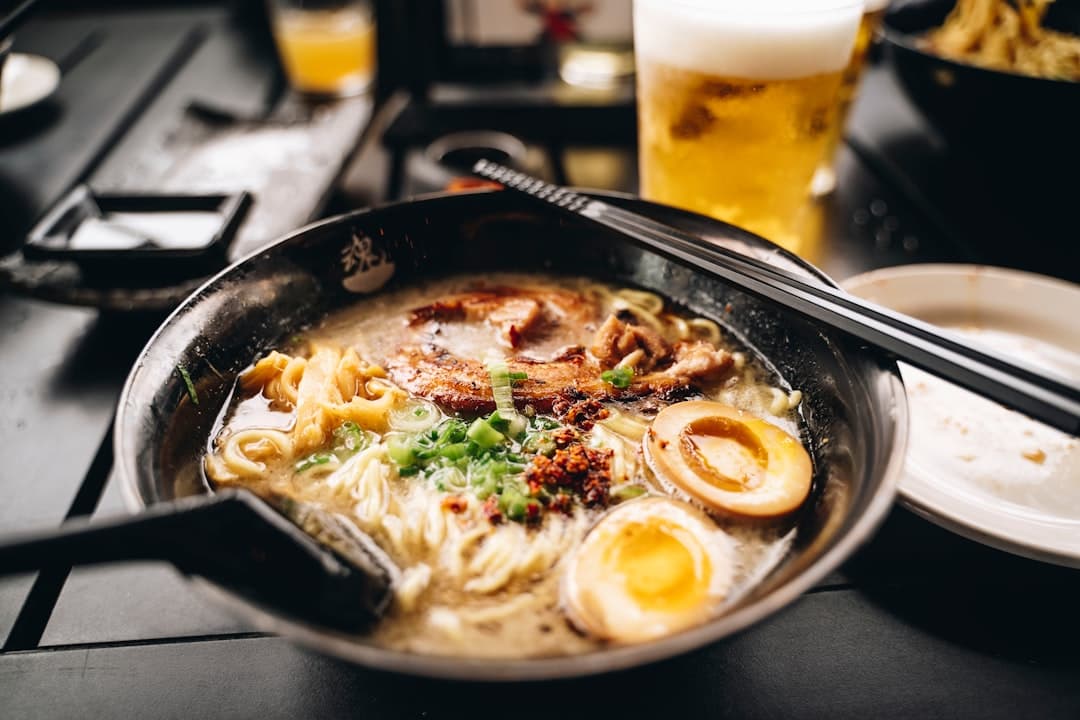
Japan with the thermostat up. Fukuoka's yatai street stalls serve the country's best late-night ramen; Nagasaki layers Portuguese, Dutch and Chinese history over its harbour hills; Beppu literally steams — 'hells' to look at, sand baths to be buried in. Mount Aso's vast caldera and Sakurajima's daily ash puffs remind you the ground is alive, and Kagoshima at the southern tip feels like Japan's Naples. Barely a tour bus in sight.
- Best time
- October to May — summers are steamy
- Give it
- 4–6 days
- Don't miss
- Fukuoka's yatai stalls · Nagasaki · Beppu's hells & sand baths · Mount Aso caldera · Sakurajima
Hokkaidō
“Powder in winter, lavender in summer, elbow room always”
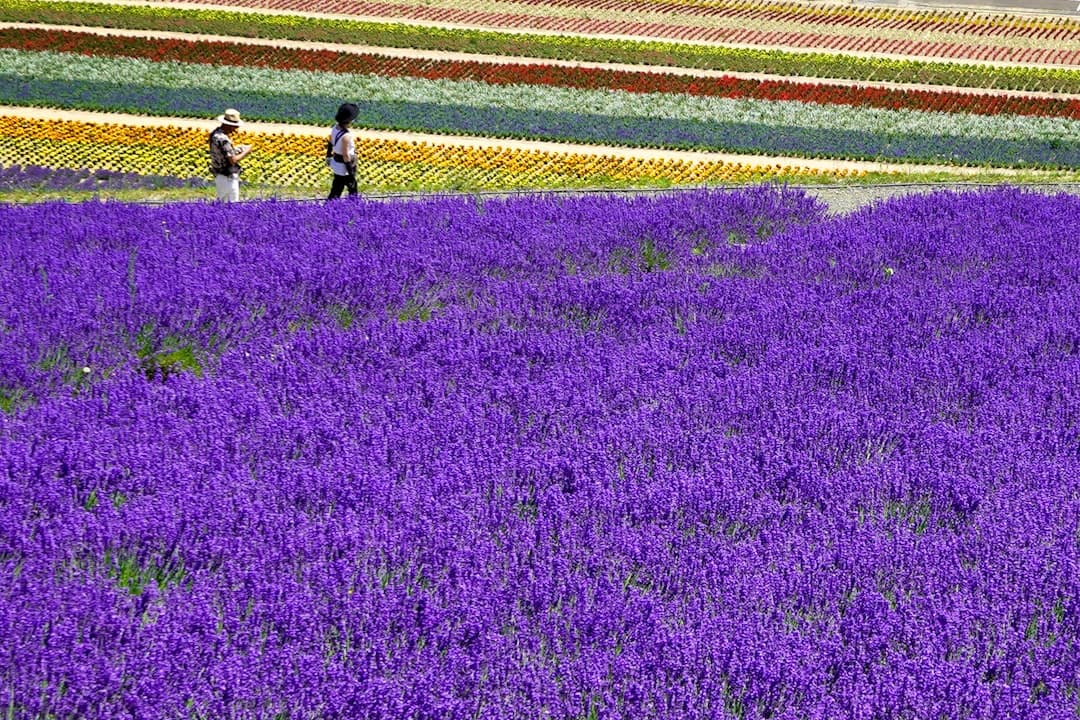
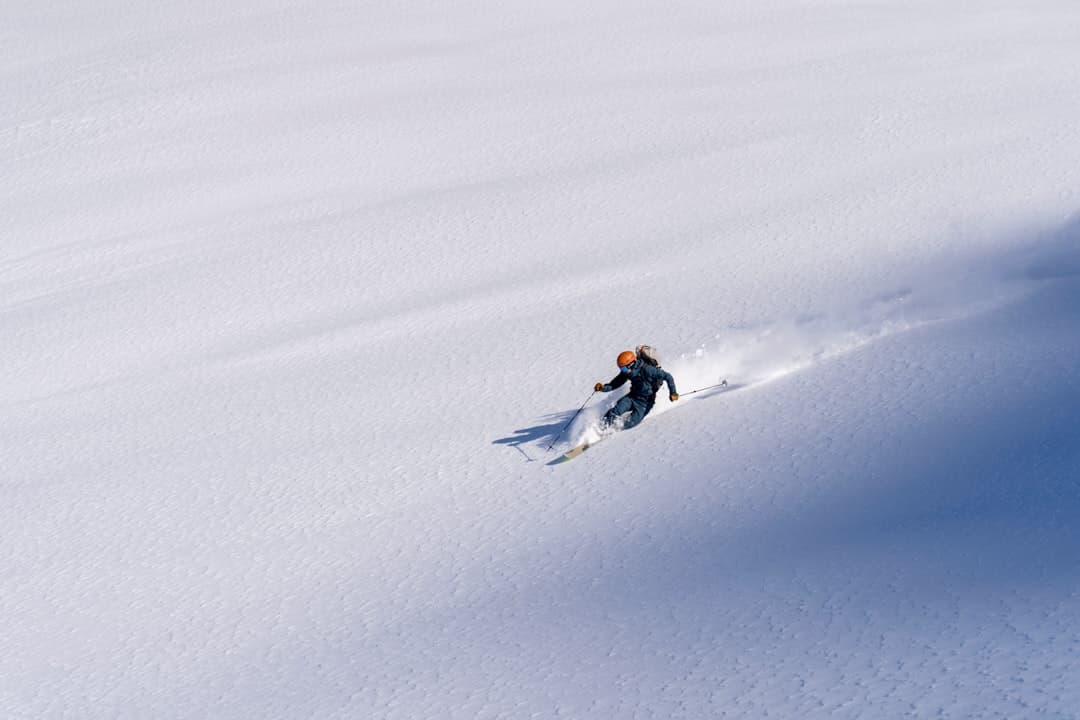
Japan's big-sky north. In winter it's the powder capital of the planet — Niseko's legendary snowfall, Sapporo's ice festival, red-crowned cranes dancing in the east. In summer the same hills turn to Furano's lavender stripes and flower farms, with hiking in Daisetsuzan's wilderness and the best dairy, seafood and beer in the country. It's the Japan that feels like a frontier.
- Best time
- January–February for powder; June to August for the flower fields
- Give it
- 4–7 days
- Don't miss
- Niseko · Sapporo & Otaru · Furano's lavender · Daisetsuzan National Park
Tōhoku
“The beautiful north almost everyone skips”
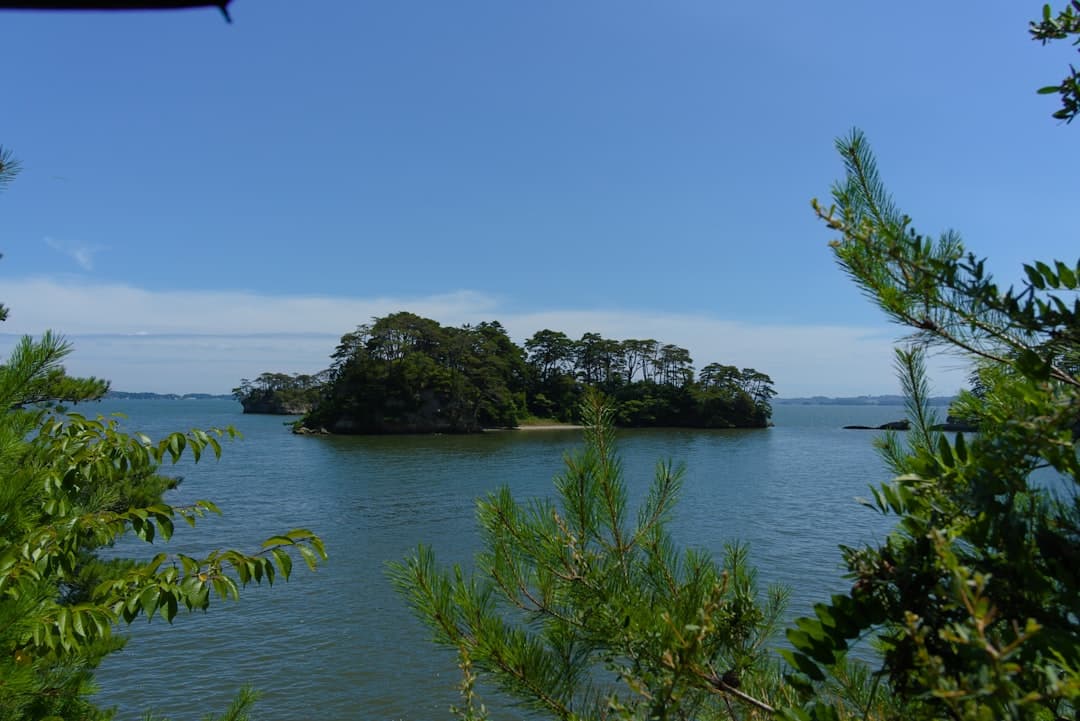
Six prefectures of samurai towns, mountain temples and hot-spring villages with a fraction of the visitors they deserve. Ginzan Onsen's gas-lit wooden inns look staged for a film; Yamadera's cliff temple repays every step; Matsushima's pine islands made Bashō speechless; and in midwinter Zaō's 'snow monsters' — trees entombed in wind-blown ice — are genuinely otherworldly. Summer brings the wildest festivals in Japan.
- Best time
- Festival August, foliage October, snow-monster February
- Give it
- 3–5 days
- Don't miss
- Ginzan Onsen · Yamadera · Matsushima Bay · Zaō's snow monsters
Okinawa & the Southern Islands
“Japan's own tropics — a different kingdom entirely”
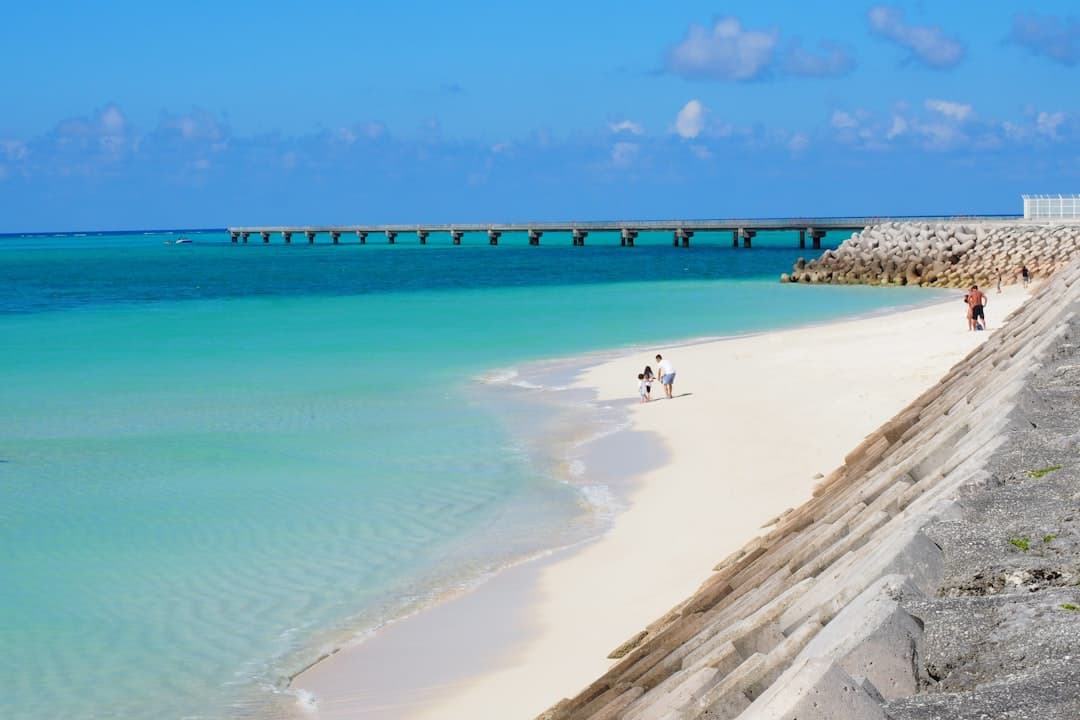
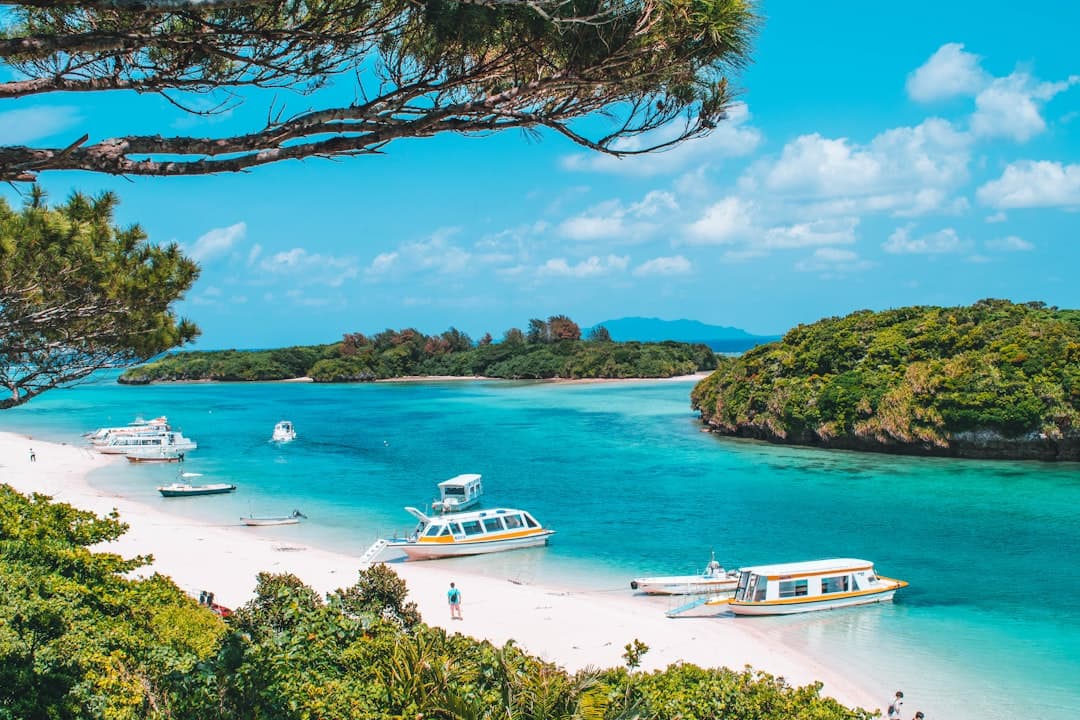
Once the independent Ryūkyū Kingdom and still its own world: karst castles, its own cuisine, sanshin music and some of the longest-lived people on earth. Naha is the gateway; the real prizes are further south — Ishigaki's manta rays, Iriomote's jungle rivers and kayak-to-waterfall days, Taketomi's coral-sand lanes and water so clear the boats look parked on air. December here means 22 degrees.
- Best time
- April to June and October to December; typhoons roam August–September
- Give it
- 4–7 days
- Don't miss
- Ishigaki & the Yaeyamas · Iriomote's jungle rivers · Taketomi village · Shuri Castle, Naha
The Kii Peninsula & Kumano Kodō
“Pilgrim trails and a night among monks”
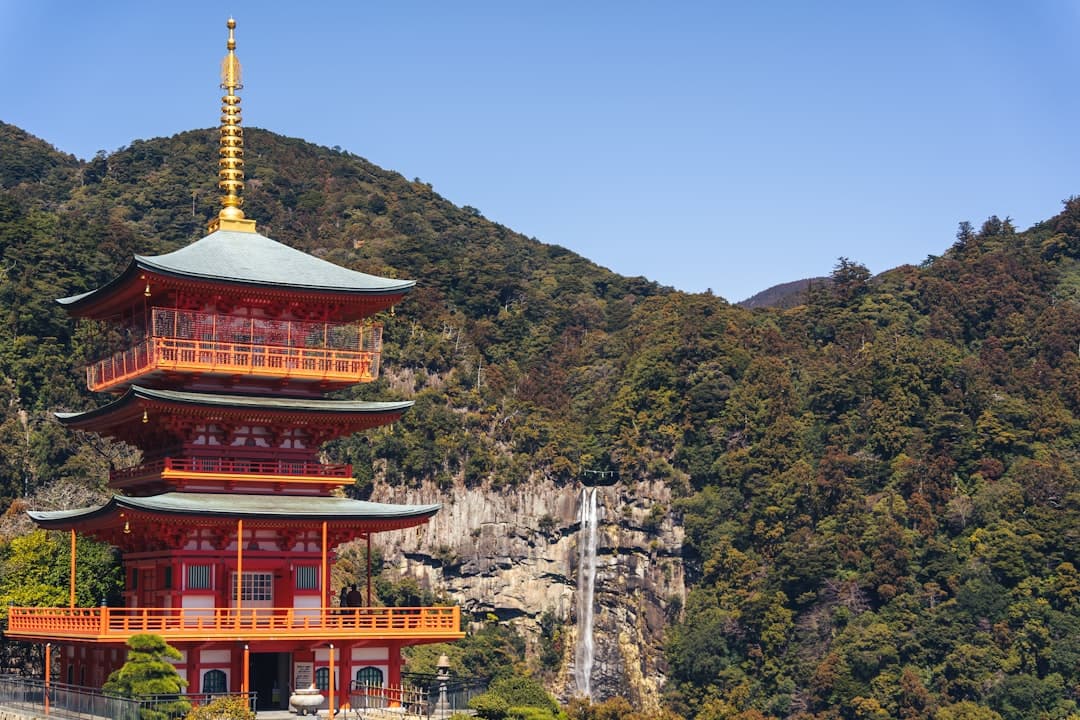
South of Osaka the peninsula drops into deep cedar forest laced with the Kumano Kodō — thousand-year-old pilgrimage trails you can walk village-to-village, luggage forwarded, hot spring at day's end (Yunomine's is World Heritage; you can boil eggs in it). Kōya-san above hosts Japan's most atmospheric sleepover: a temple lodging with monks' vegetarian dinner, dawn prayers, and the lantern-lit Okunoin cemetery after dark.
- Best time
- March to May and October to November — walking weather
- Give it
- 3–4 days
- Don't miss
- A Kōya-san temple stay · Okunoin by lantern light · The Nakahechi trail · Yunomine Onsen