Delhi
“Seven cities deep, breakfast to midnight”
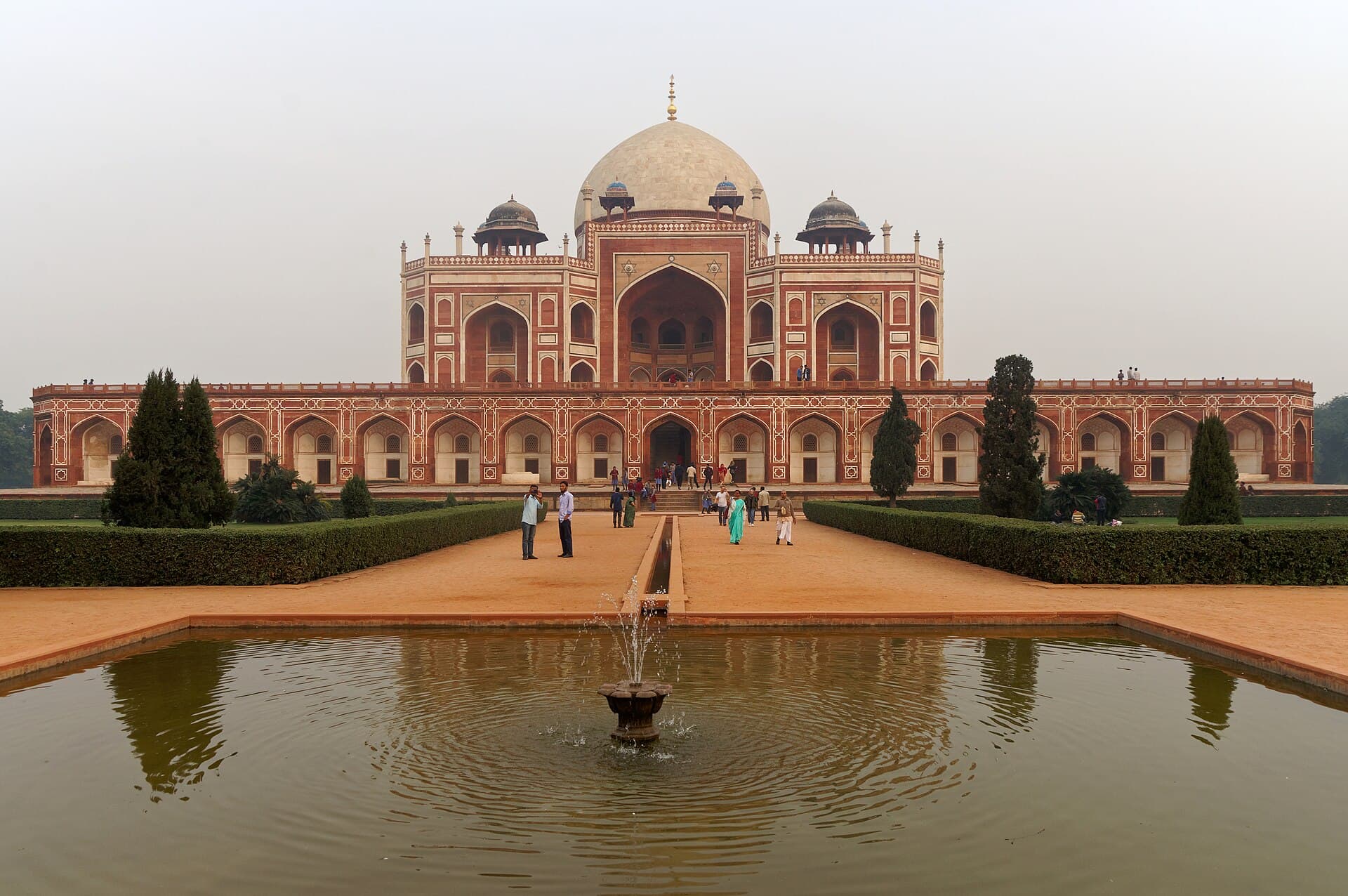
Delhi is India's overture — every empire left a city here, and they're all still open. Old Delhi's lanes press Jama Masjid, paratha alleys and spice markets into a square mile best crossed by cycle-rickshaw; New Delhi answers with Lutyens' avenues, Humayun's Tomb (the Taj's dress rehearsal) and the Qutb Minar's 800-year-old victory tower. Give it two days, eat everything, and start early — the city belongs to the morning.
- Best time
- October–March; February for parks in bloom
- Give it
- 2–3 days
- Don't miss
- Jama Masjid and the Old Delhi lanes · Humayun's Tomb at opening time · The Qutb Minar complex · A paratha-alley breakfast crawl
Agra & the Taj
“The building that survives its own postcard”
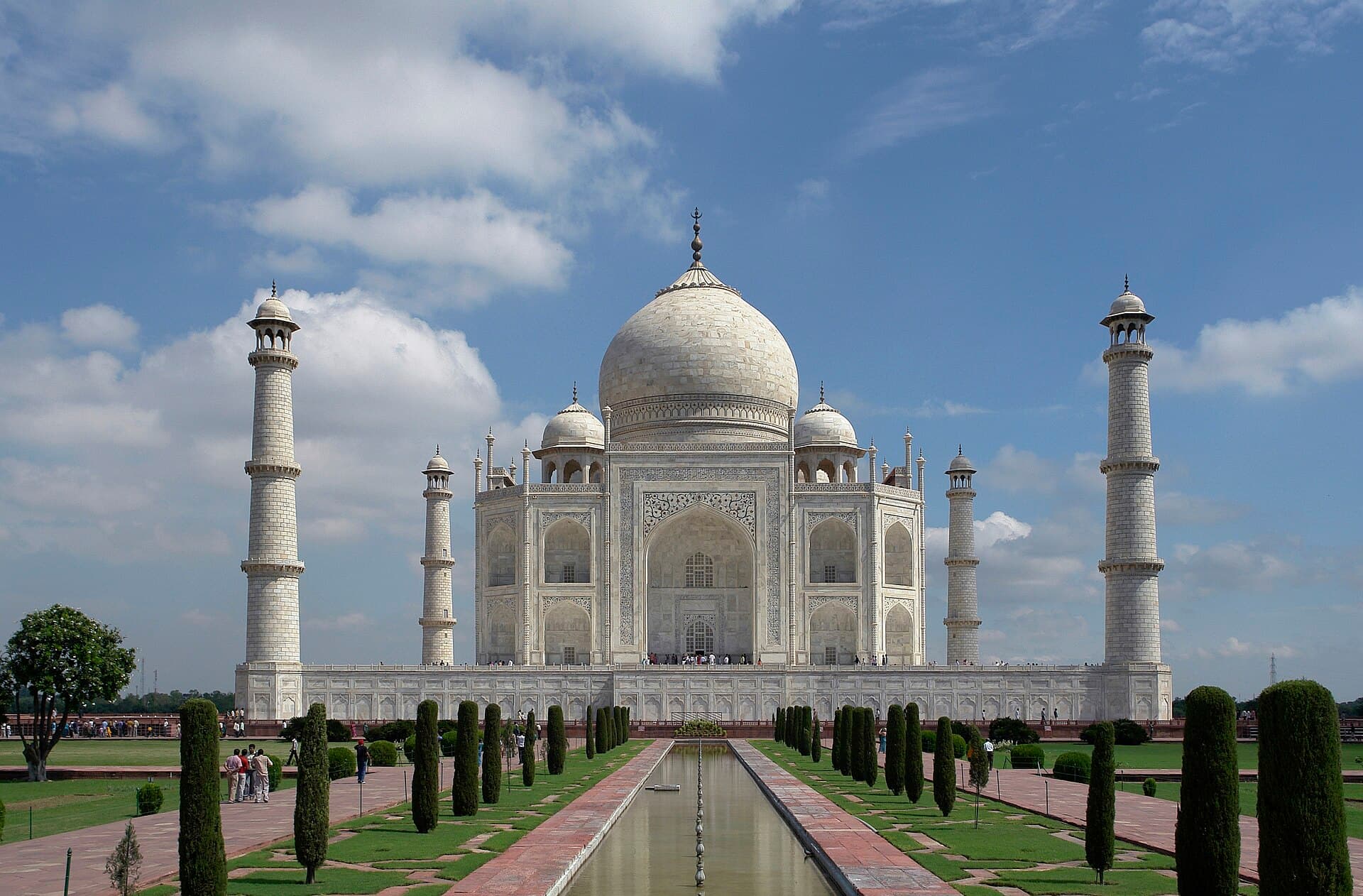
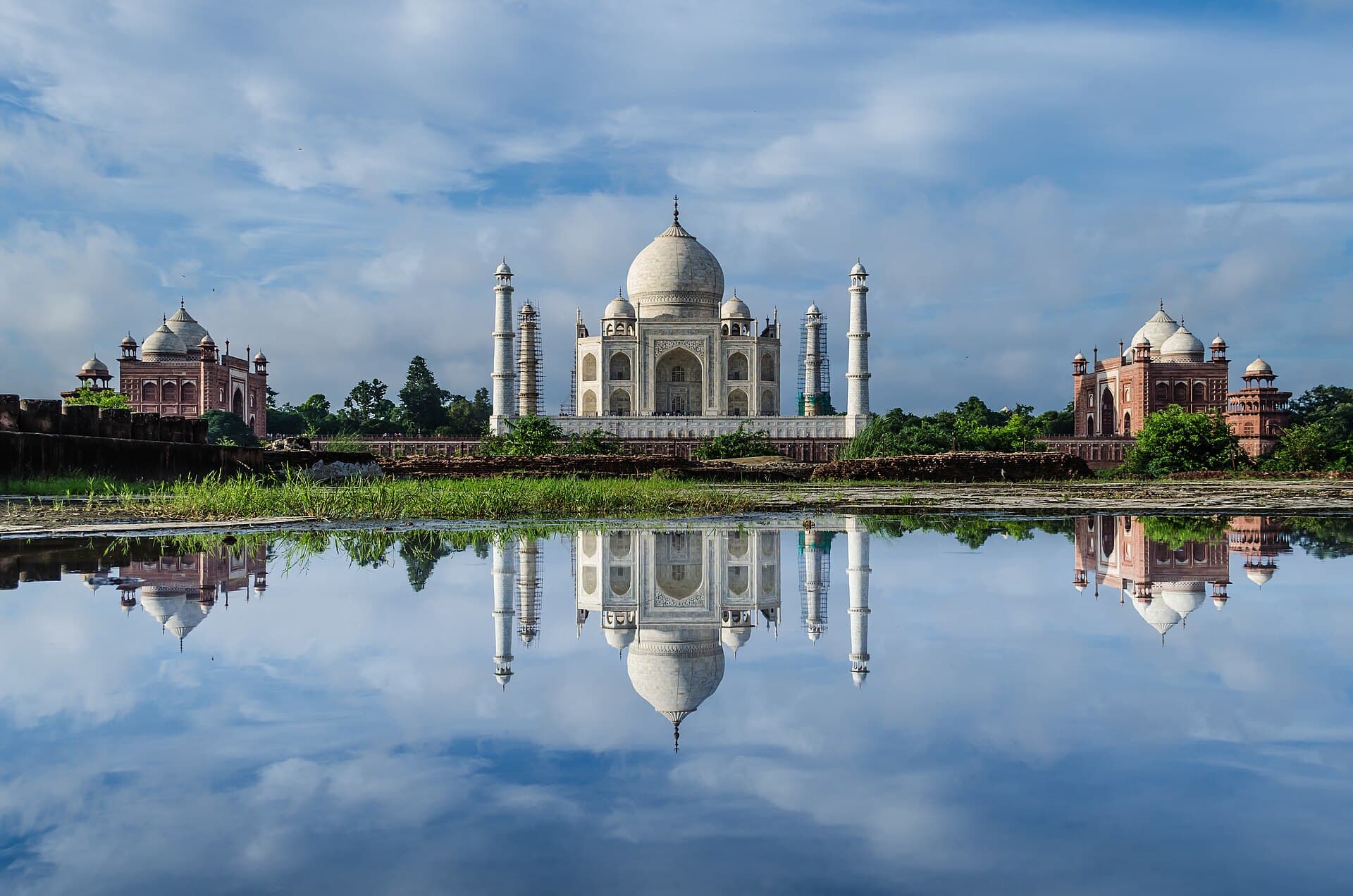
No photograph prepares you for the Taj Mahal's scale or the way its marble takes the light — dawn pink, noon white, dusk gold. See it twice: first entry at sunrise from the main gate, then across the river from Mehtab Bagh at sunset. Agra Fort — where the emperor who built the Taj was imprisoned within sight of it — completes the story, and Fatehpur Sikri's abandoned red sandstone capital is an hour west and criminally skipped.
- Best time
- October–March; misty December dawns are their own show
- Give it
- 1–2 days
- Don't miss
- The Taj Mahal at first entry · Agra Fort's marble prison-with-a-view · Mehtab Bagh at sunset · Fatehpur Sikri's ghost capital
Jaipur & Eastern Rajasthan
“The Pink City, with tigers over the hill”
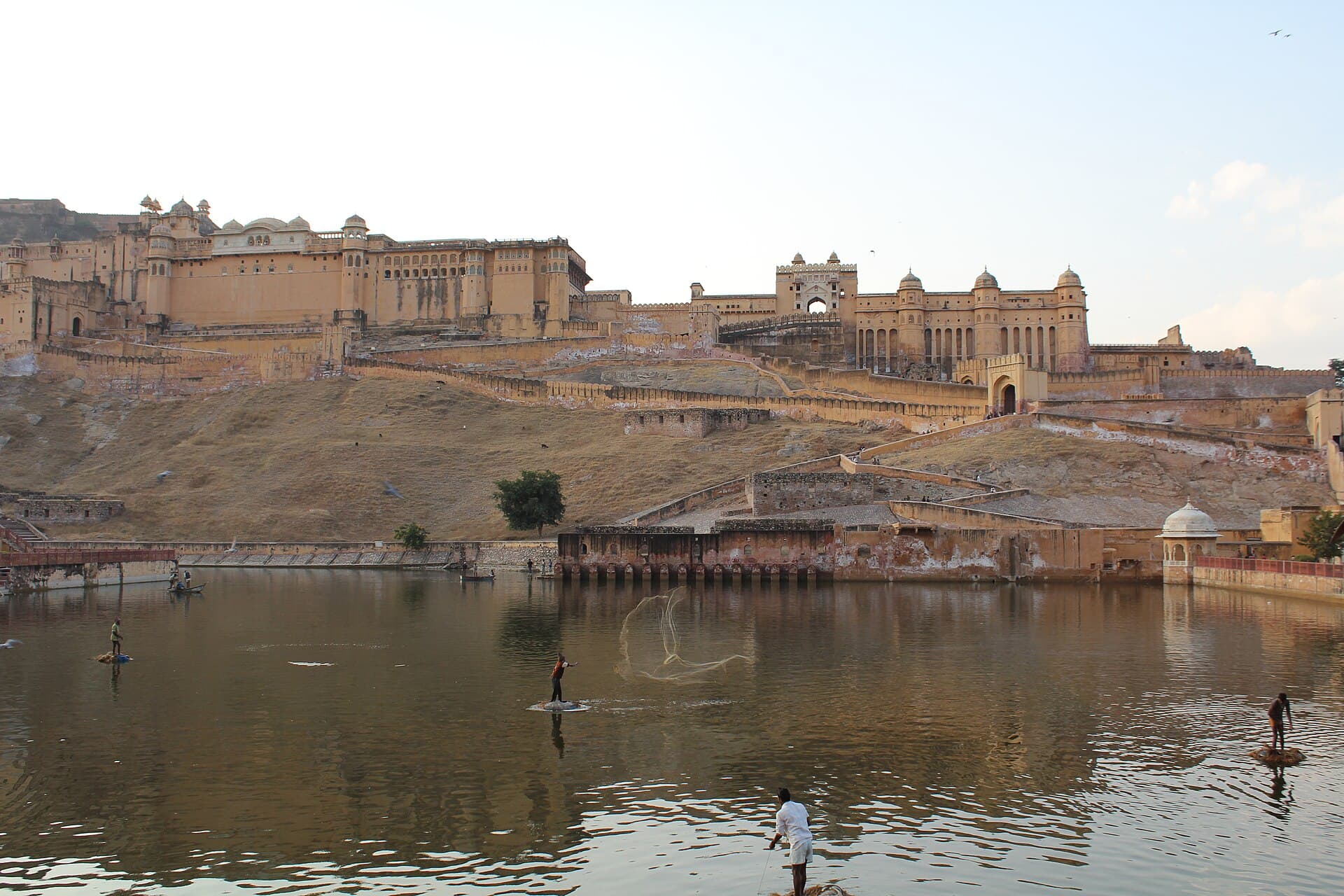
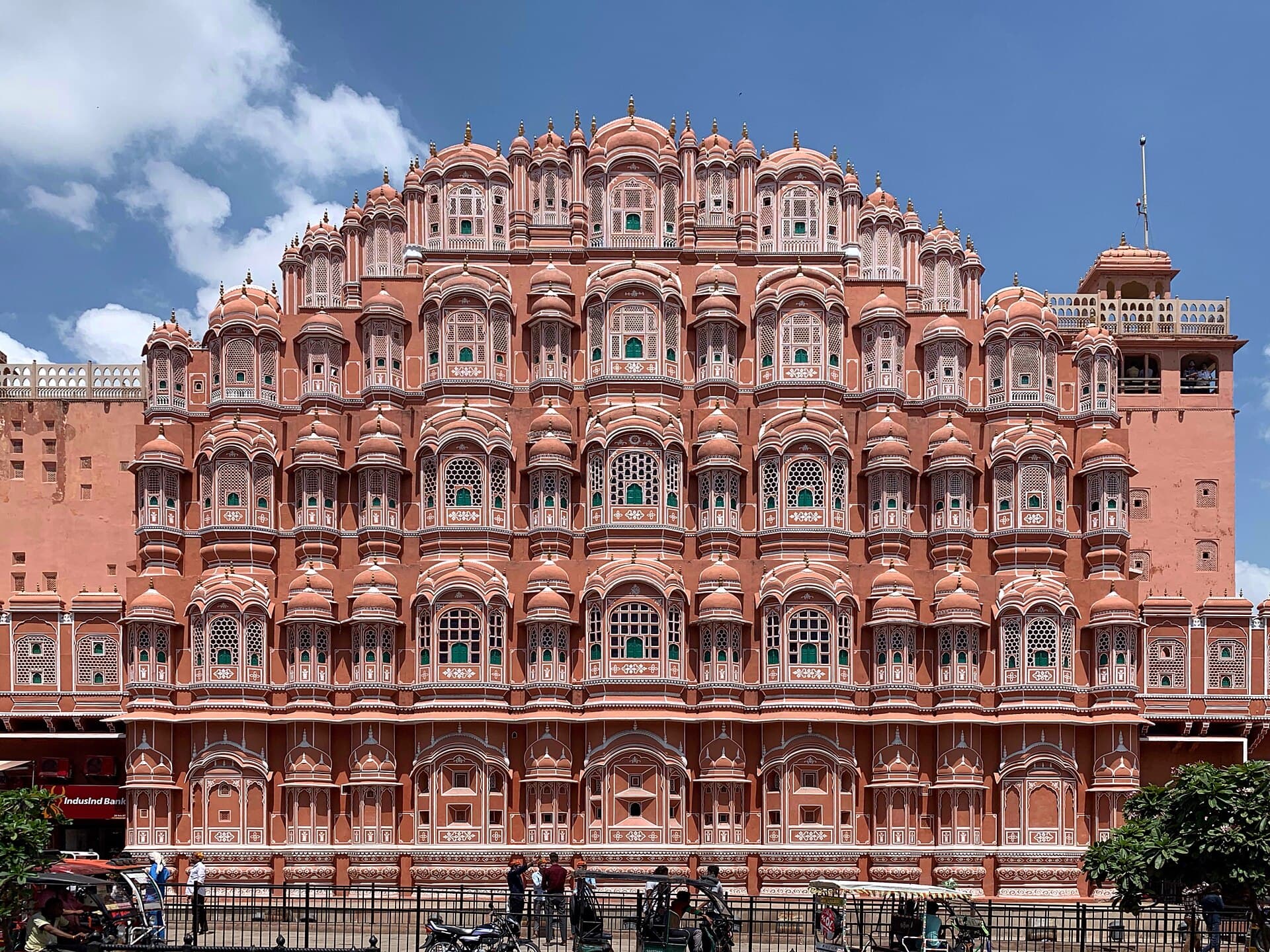
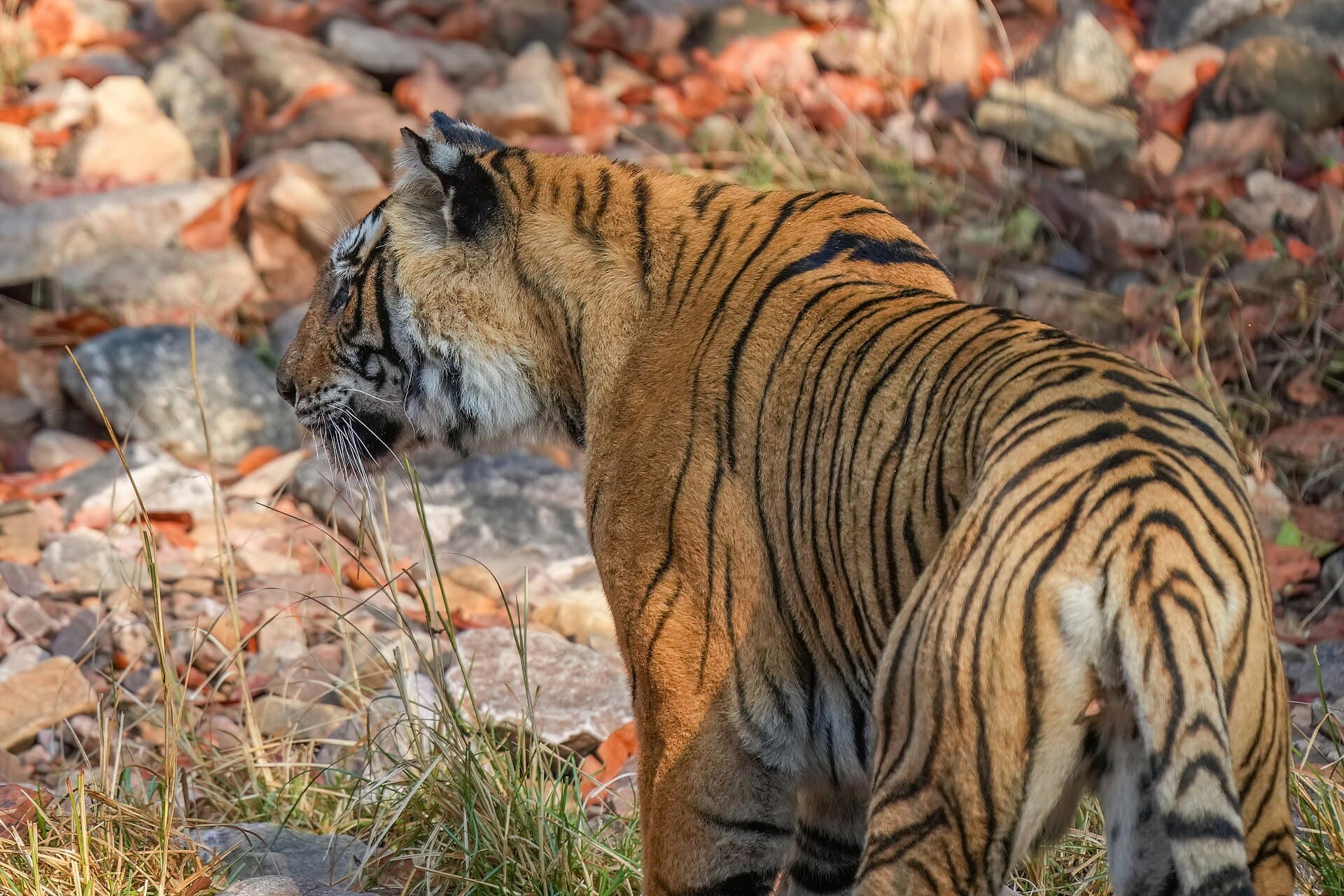
Jaipur completes the Golden Triangle and outdoes its billing: Amber Fort's mirrored halls above the lake, the Hawa Mahal's honeycomb of windows, bazaars that have sold gems and block-print for three centuries. The insider move is what's around it — Ranthambore's tigers stalk fort ruins two hours south, and the stepwells at Abhaneri drop nine storeys of perfect geometry on the Agra road.
- Best time
- October–March; April–May for tigers, if you can take the heat
- Give it
- 2–4 days
- Don't miss
- Amber Fort before the coaches · The Hawa Mahal from the café opposite · Ranthambore tiger safari · Chand Baori stepwell, Abhaneri
Jodhpur, Jaisalmer & the Thar
“Blue city, golden city, then the desert takes over”
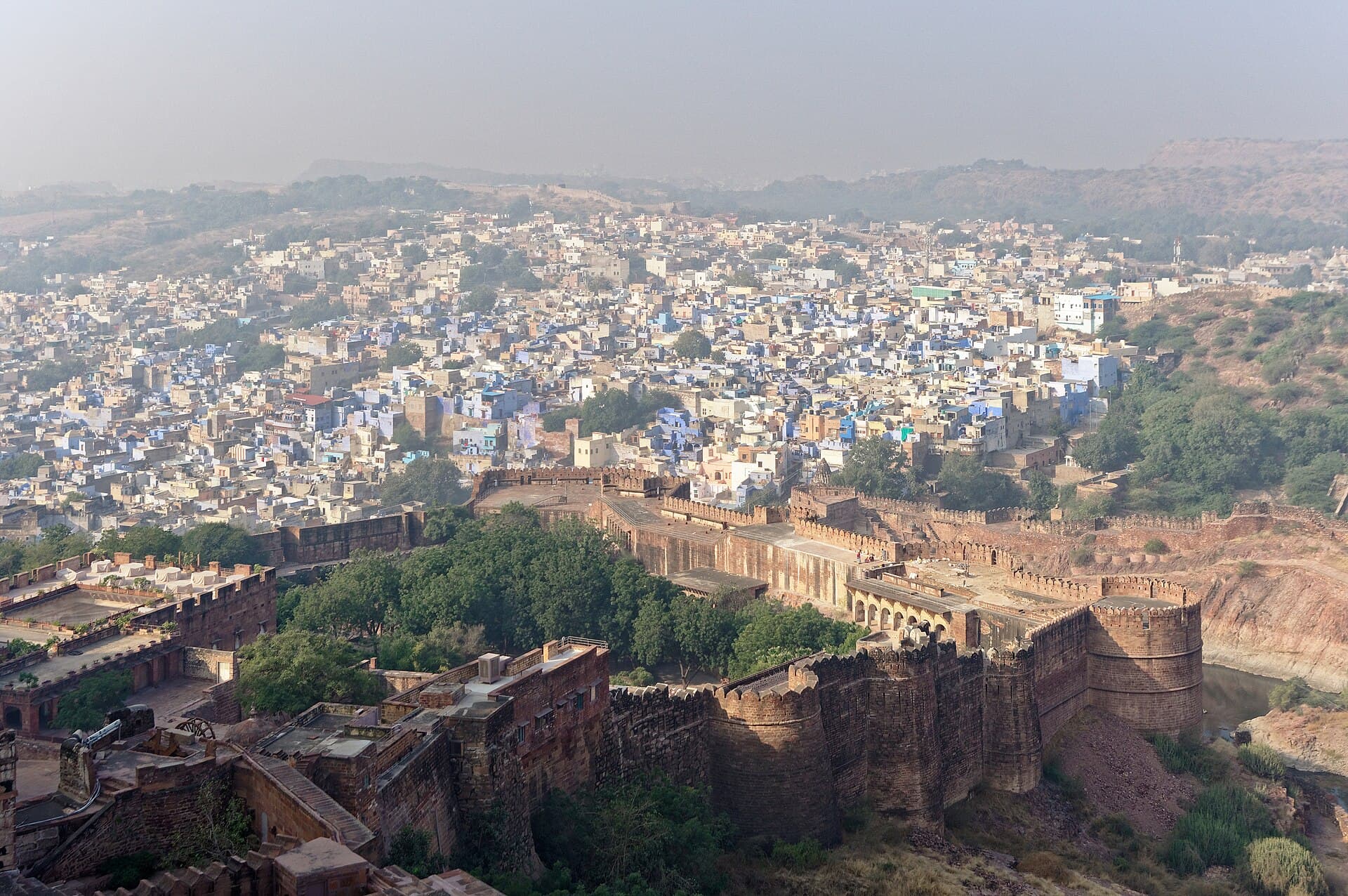
Deep Rajasthan is where the fairy tale gets serious: Mehrangarh Fort rearing 120 metres over Jodhpur's blue-washed old town — the most dramatically sited fort in India — then five hours west, Jaisalmer's golden sandstone citadel still lived-in on its desert hill. Ride camels into the Sam dunes for sunset, sleep under desert stars, and drink lassi in havelis carved like lace.
- Best time
- October–March; desert nights get properly cold in January
- Give it
- 3–5 days
- Don't miss
- Mehrangarh Fort's ramparts · The blue lanes below, on foot · Jaisalmer Fort at golden hour (when else) · A Thar Desert dune camp
Udaipur & Southern Rajasthan
“Palaces that float, hills that hide leopards”
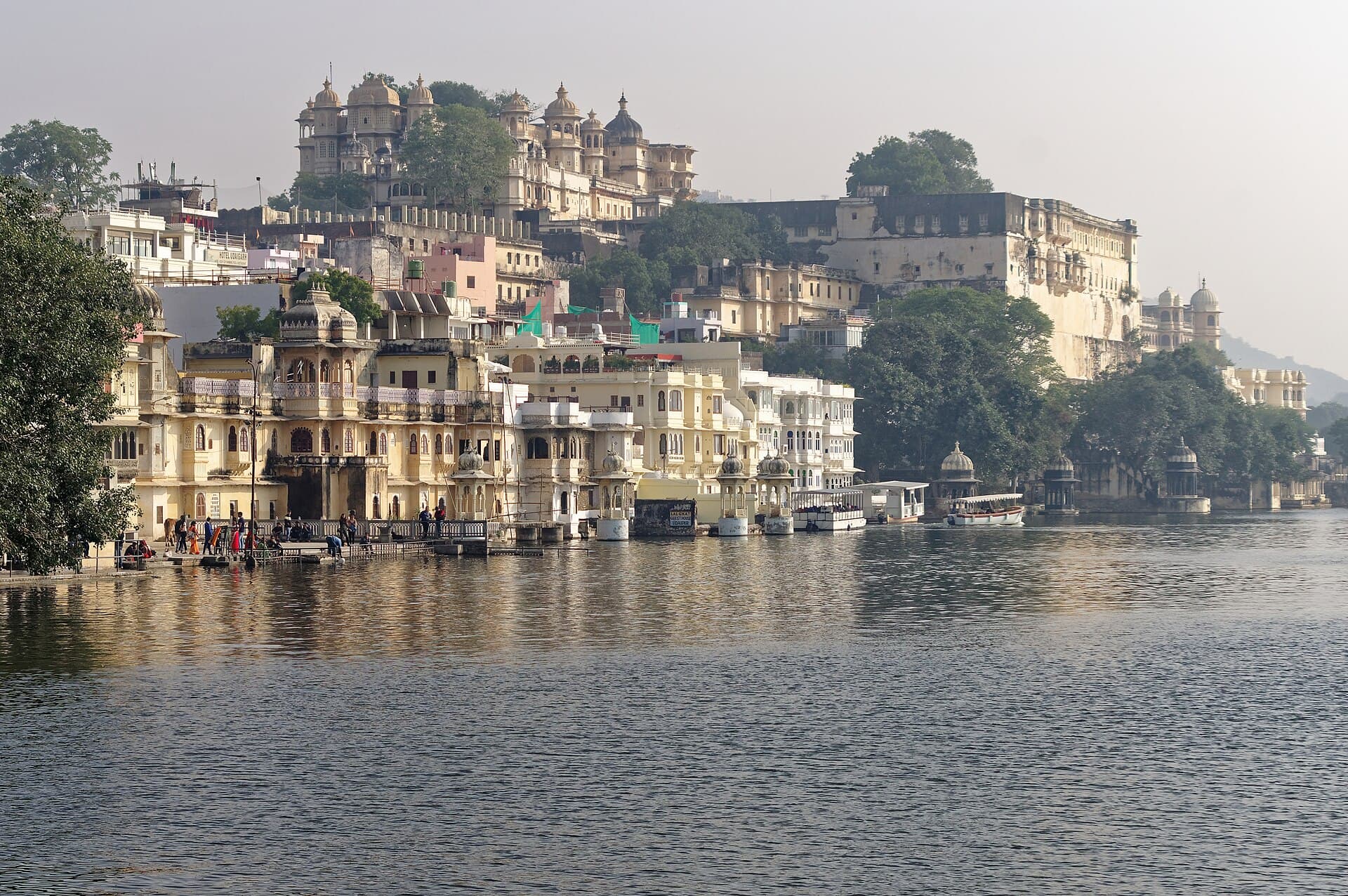
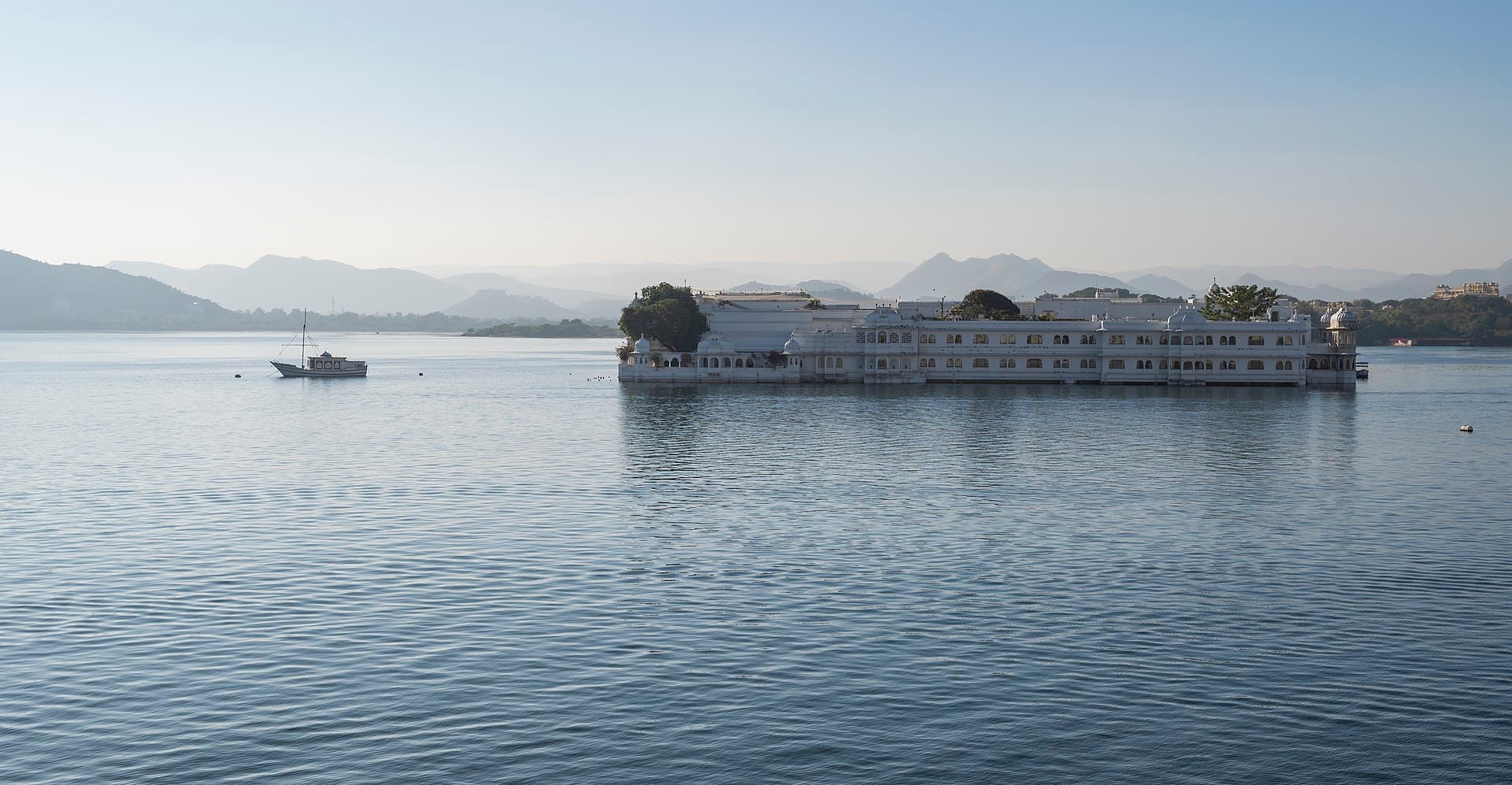
Udaipur is Rajasthan gone romantic: the City Palace tumbling down to Lake Pichola, the Lake Palace apparently afloat in the middle of it, rooftop dinners watching the ghats light up. The south's supporting cast seals it — the Monsoon Palace at sunset, Kumbhalgarh's 36-kilometre wall (the world's second longest), the Jain temples at Ranakpur carved from single-minded devotion, and leopard safaris in the Aravalli hills at Jawai.
- Best time
- October–March; monsoon (August) is the lakes' fullest, greenest moment
- Give it
- 2–4 days
- Don't miss
- Lake Pichola's sunset boat · The City Palace's painted courts · Ranakpur's 1,444 carved pillars · Jawai's leopard hills
Varanasi & the Ganges
“The oldest living city, lit by ten thousand lamps”
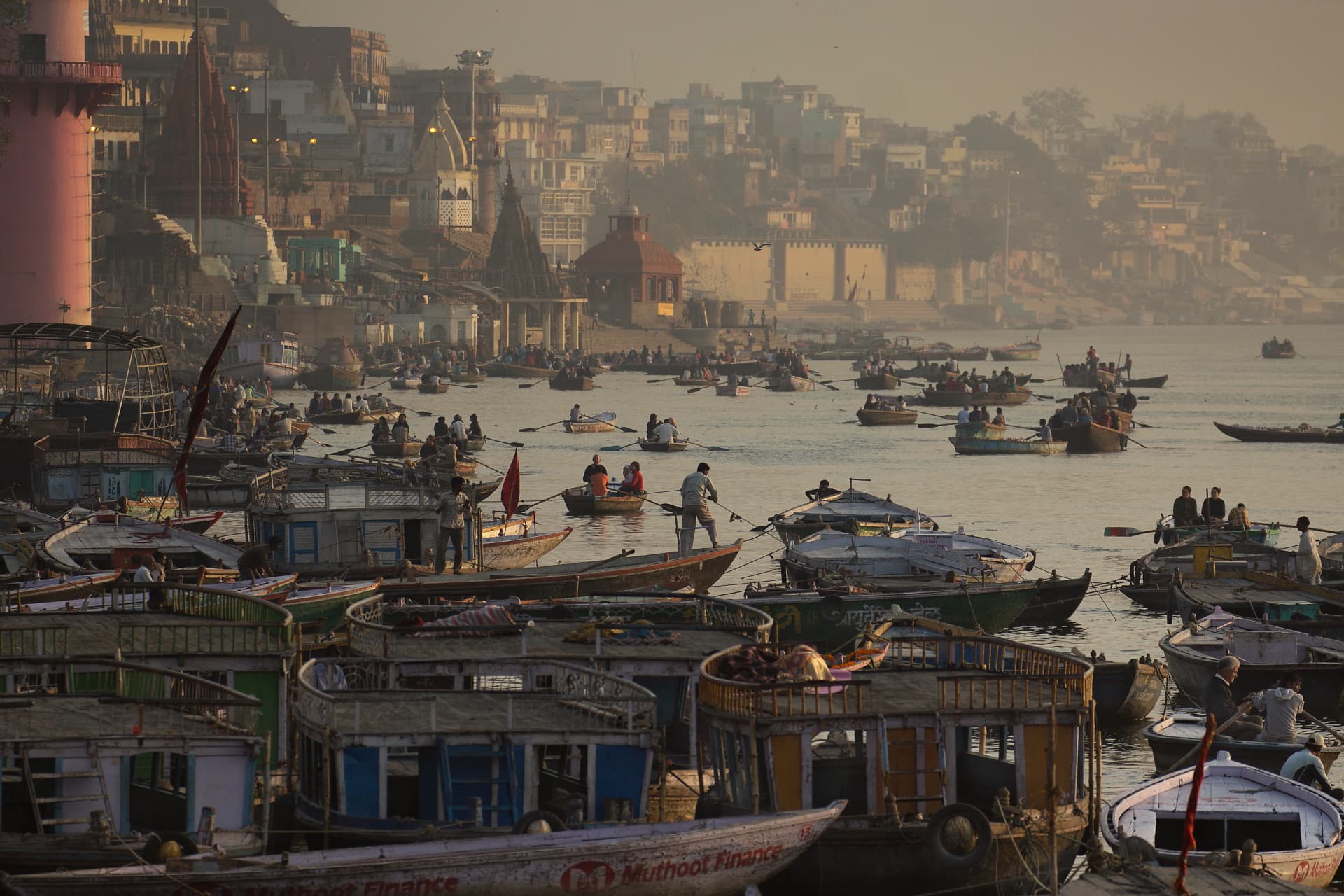
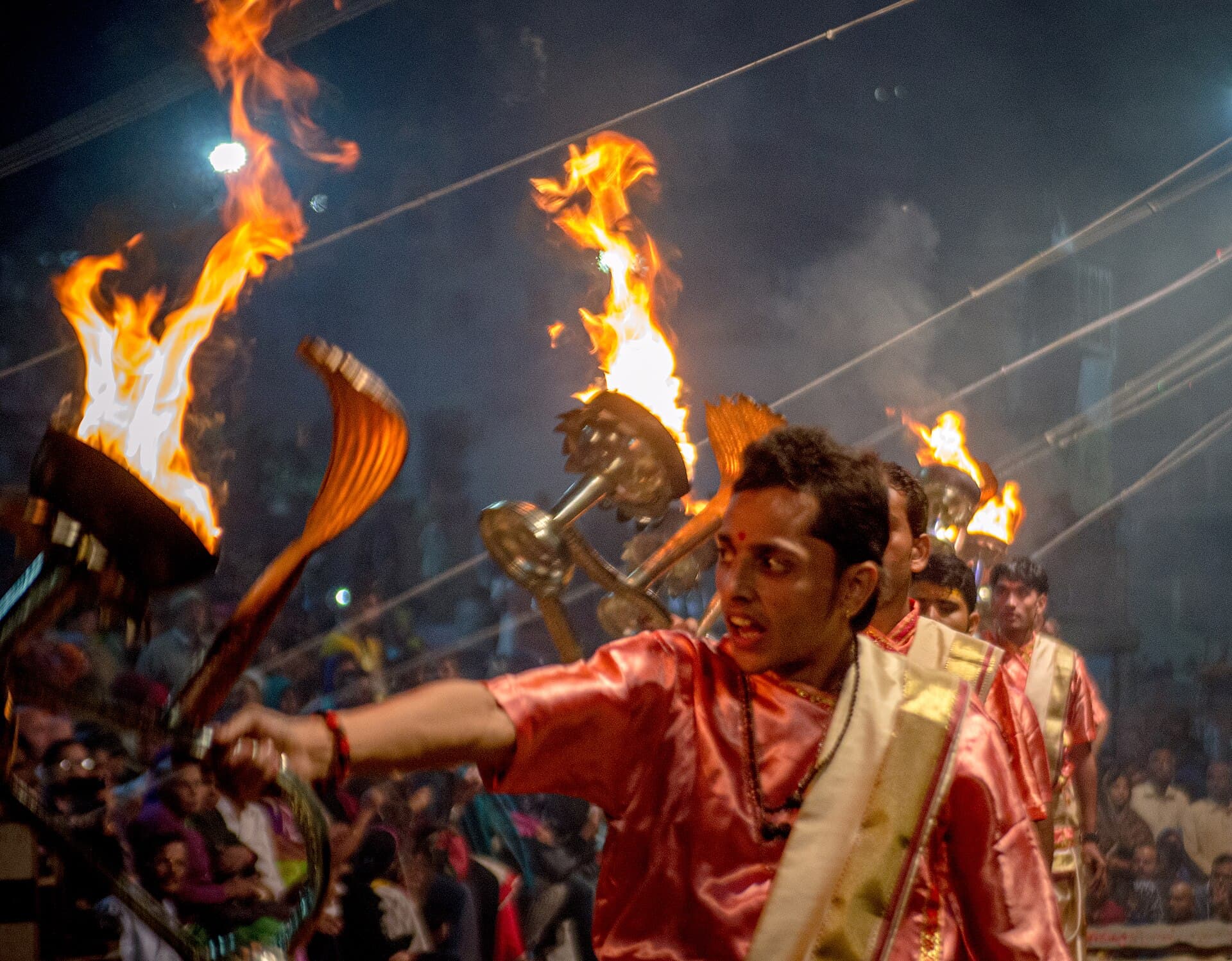
Varanasi is the India that rearranges people. Older than Rome and busier than ever, its ghats stage the whole human story in a morning: pilgrims bathing at dawn, cricket on the steps, silk looms in the lanes, the burning ghats doing their ancient work in plain sight. Take the sunrise boat, stay for the evening Ganga Aarti's fire and bells, and let the lanes get you lost at least once. Sarnath, where the Buddha first taught, is a quiet hour away.
- Best time
- October–March; Dev Deepawali (November) sets the ghats alight
- Give it
- 2–3 days
- Don't miss
- The dawn boat past the ghats · Ganga Aarti at Dashashwamedh · The old city's silk lanes · Sarnath's stupa and museum
Kerala & the Backwaters
“India with the volume turned down”
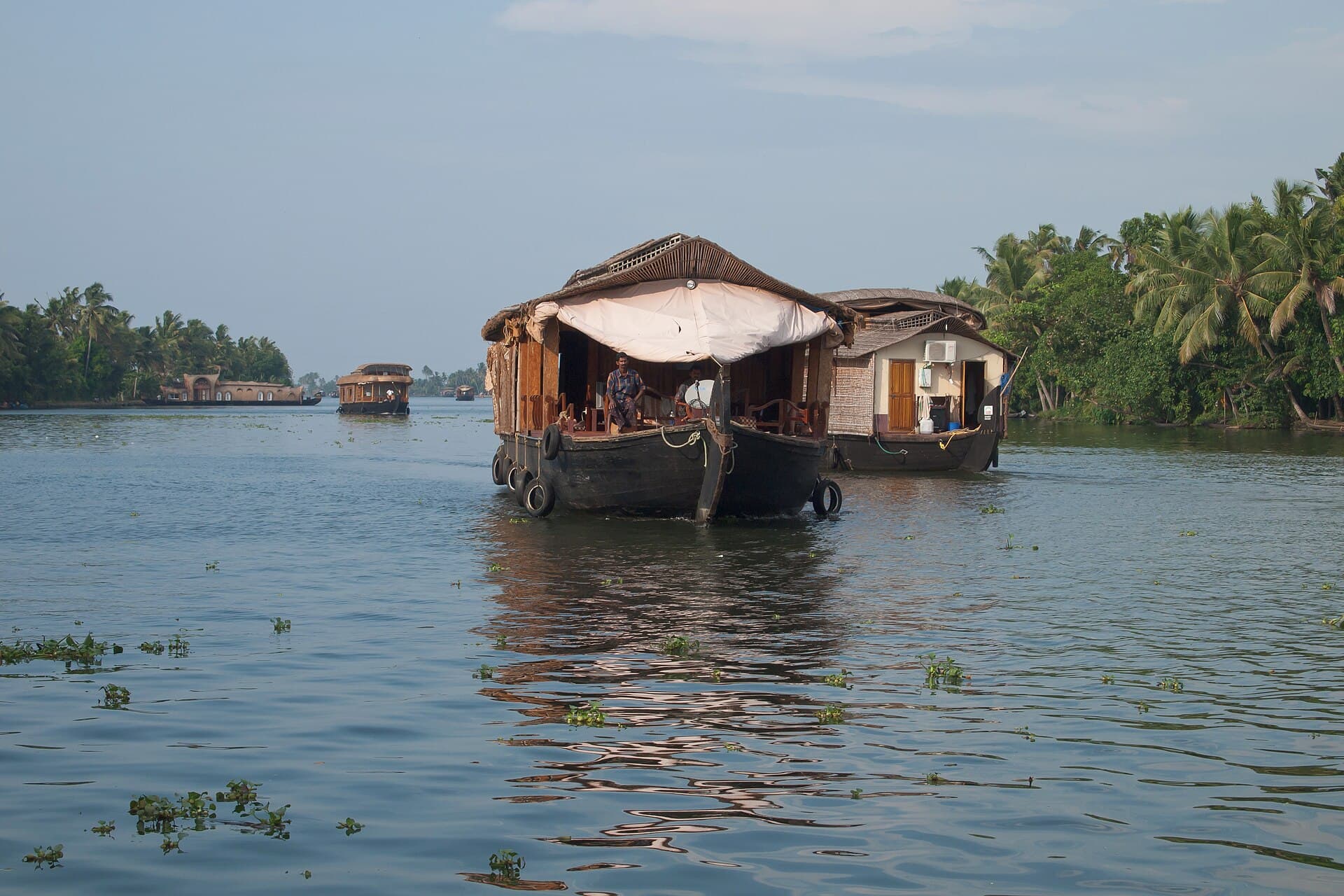
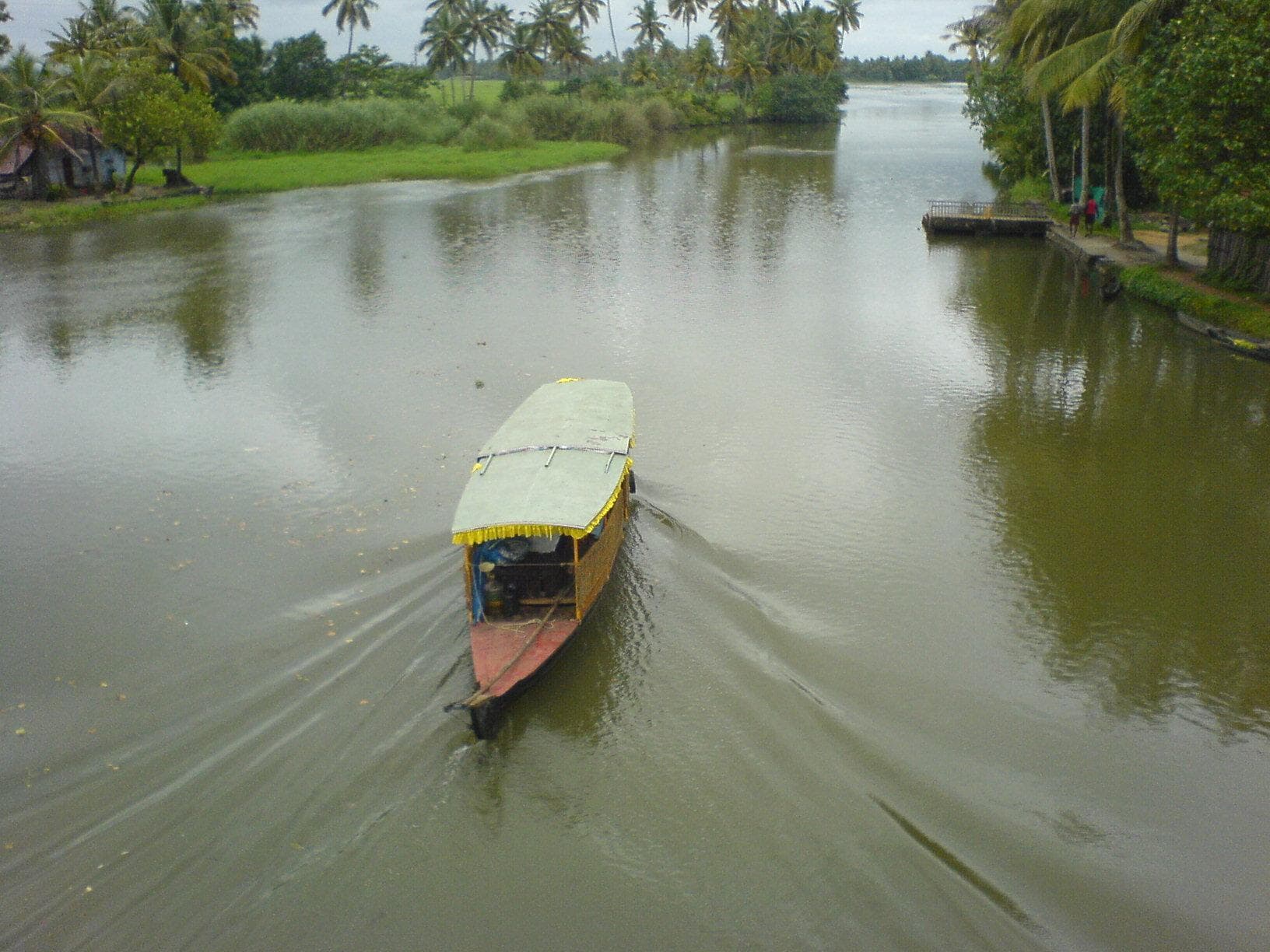
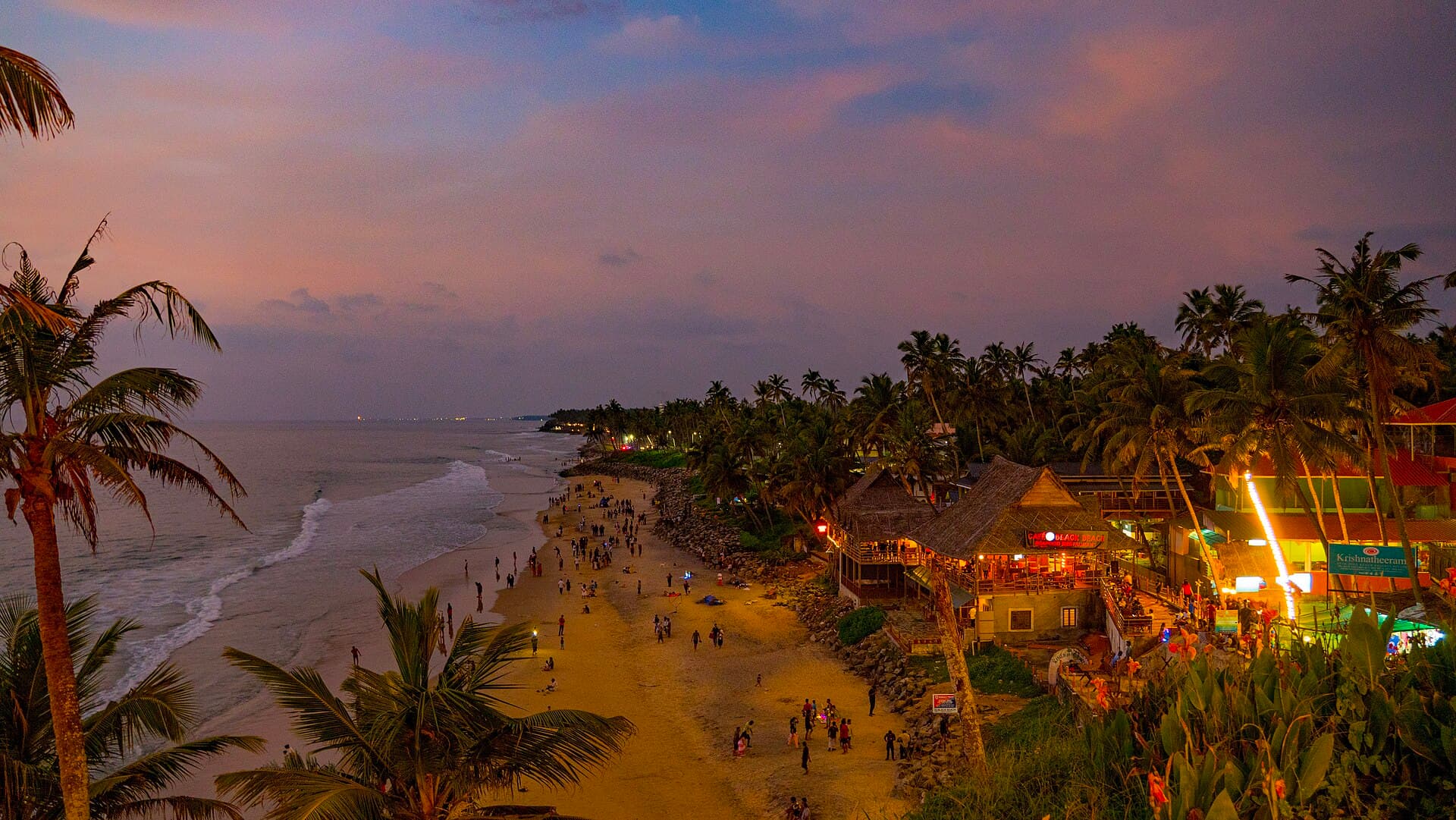
Kerala is the gentle landing: Fort Kochi's colonial lanes and Chinese fishing nets, then a converted rice barge sliding through the backwaters — palms, kingfishers, church bells and temple drums drifting across the water. Climb inland to Munnar's tea country for cool air and impossible green, add Periyar's elephants, and finish on a Marari beach. It's the India for honeymoons, families and anyone easing in.
- Best time
- October–March; October–November for post-monsoon green
- Give it
- 5–7 days
- Don't miss
- A night aboard an Alleppey houseboat · Fort Kochi's fishing nets at sunset · Munnar's tea horizon · A kathakali performance, up close
Goa
“Portuguese bones, tropical blood, sand between the toes”
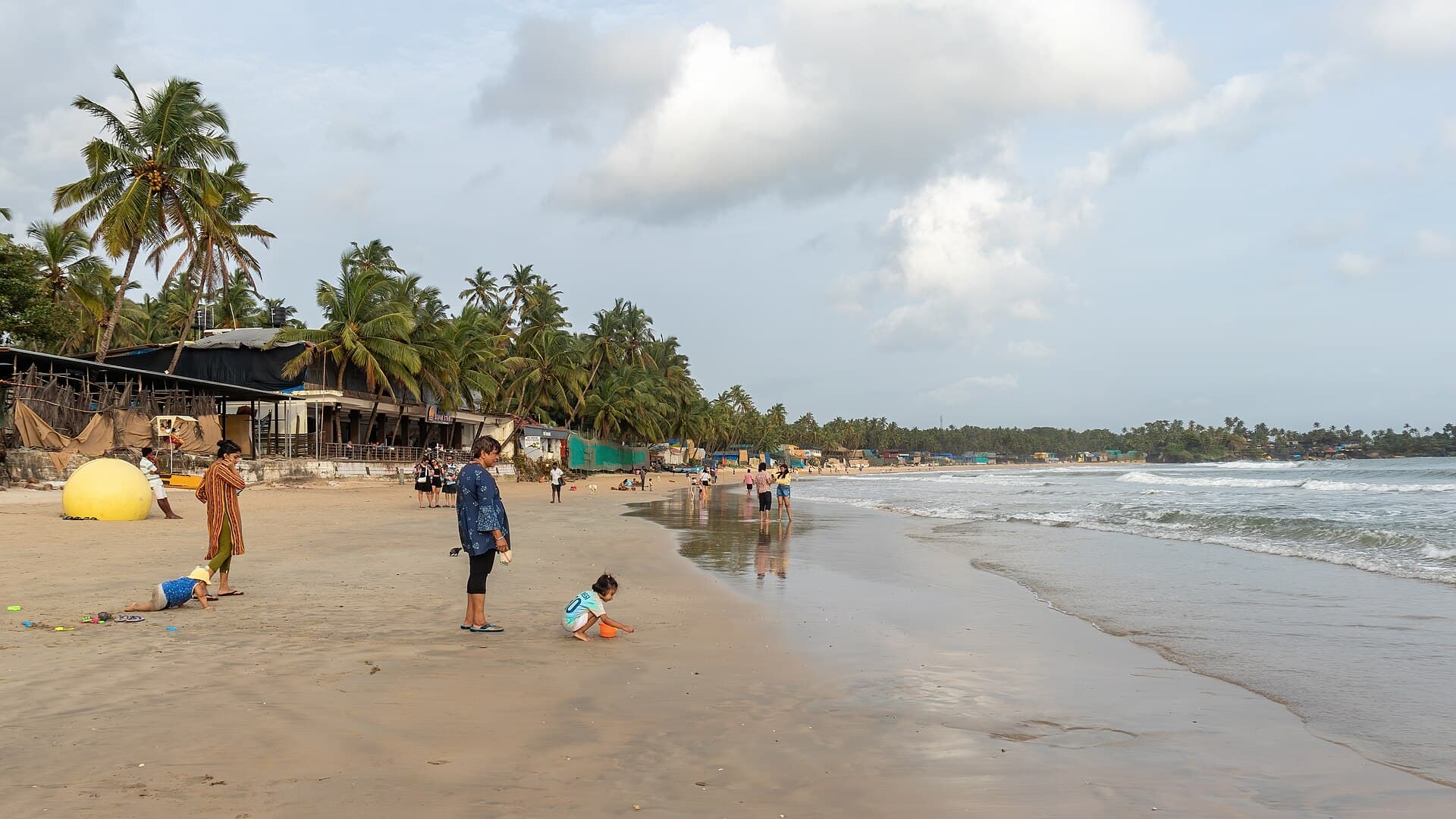
Goa is more than the party its reputation sells: 450 years of Portugal left whitewashed basilicas, spice farms and a food culture (vindaloo done right, fish thalis, feni sundowners) unlike anywhere else in India. The north has the scene, the south — Agonda, Palolem, Cola — keeps the palm-fringed calm. Old Goa's cathedrals and the Latin Quarter's blue houses in Panjim fill the days the beach doesn't.
- Best time
- November–February; monsoon Goa (June–September) is empty and green
- Give it
- 3–5 days
- Don't miss
- Palolem's crescent at sunrise · Old Goa's Basilica of Bom Jesus · Panjim's Fontainhas quarter · A beach-shack fish thali
Mumbai
“Bollywood, high finance and bhel puri on the same seafront”
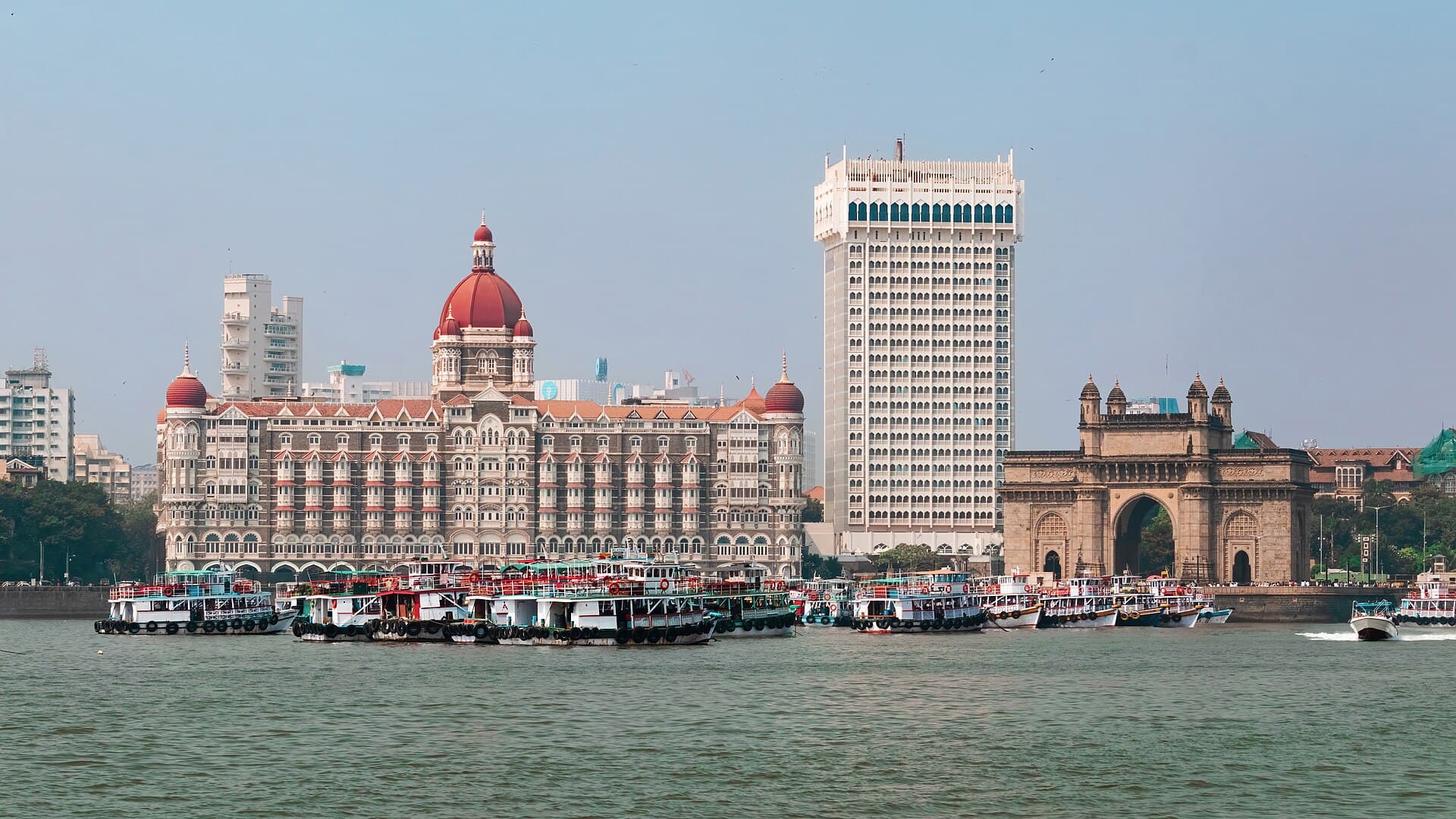
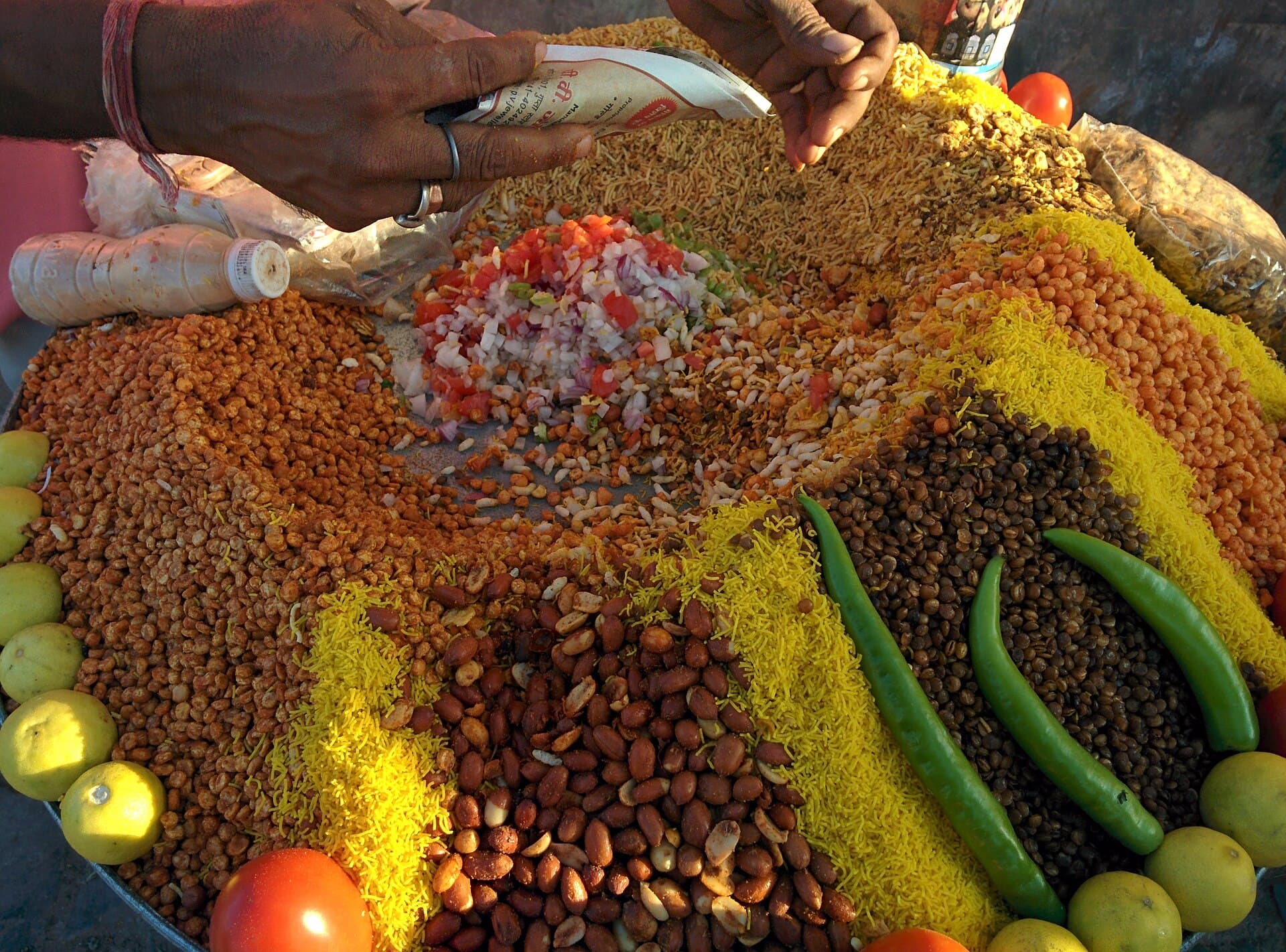
Mumbai is India at full throttle — the Gateway of India and the grand Victorian pile of CST station, dabbawalas running lunch to a million desks, Marine Drive's necklace of lights, and street food that rewards bravery (start with bhel puri at Chowpatty). Take the boat to Elephanta's cave temples, walk Colaba and Kala Ghoda's galleries, and give one evening to the sea breeze with everyone else in the city.
- Best time
- November–February; the monsoon (June–September) is torrential theatre
- Give it
- 2–3 days
- Don't miss
- The Gateway and a Colaba wander · CST station's Gothic madness · Elephanta Island caves · Marine Drive at dusk
The Indian Himalaya
“Another country upstairs — monasteries, cedar hills, cold deserts”
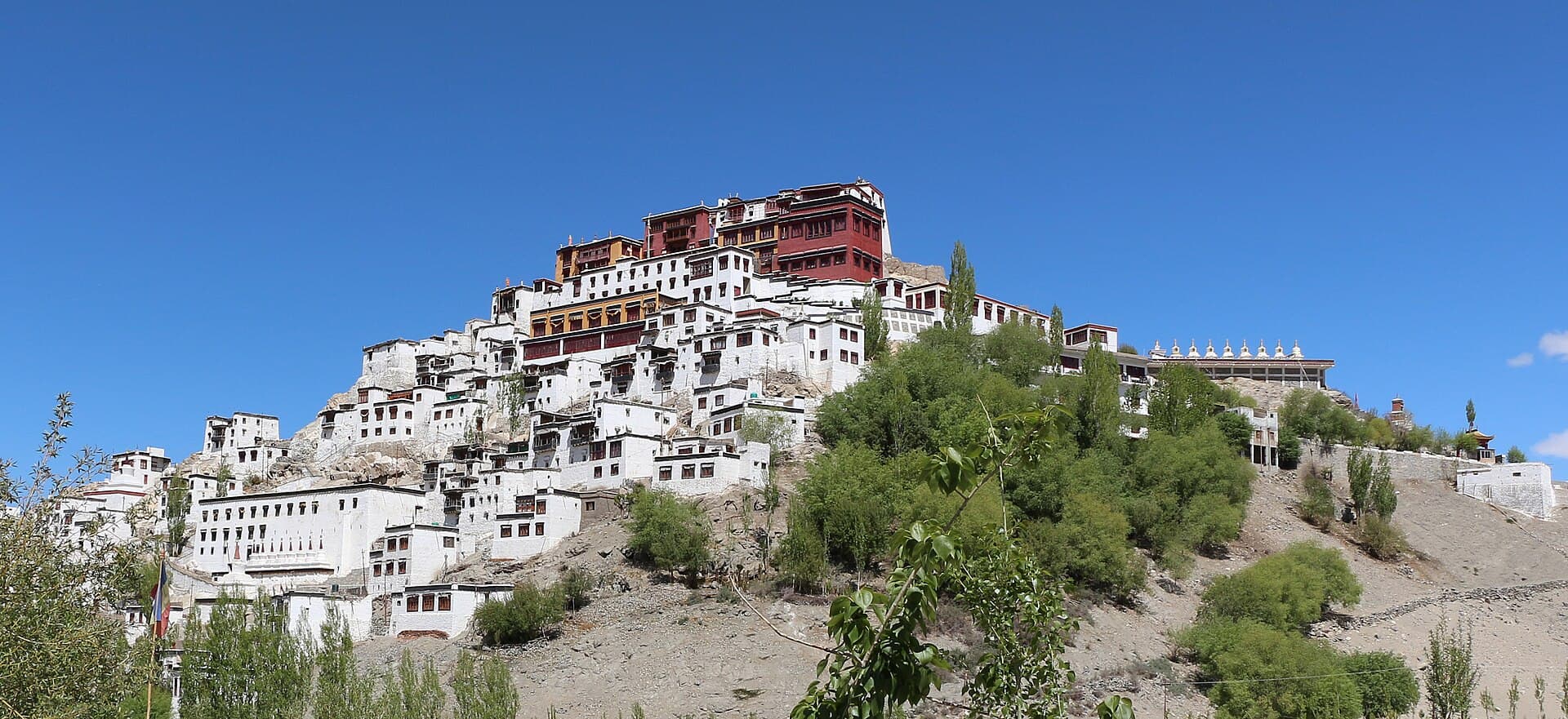
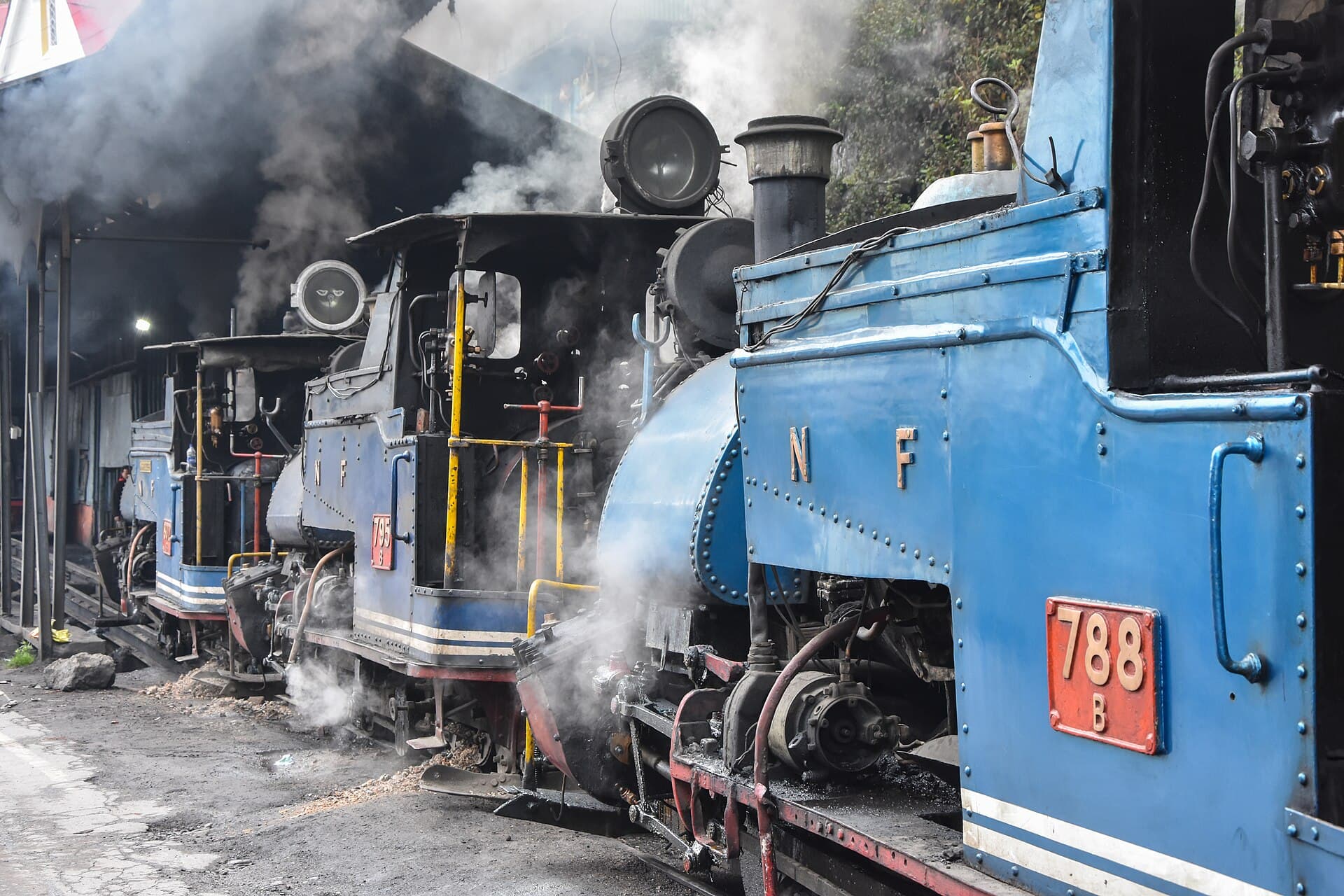
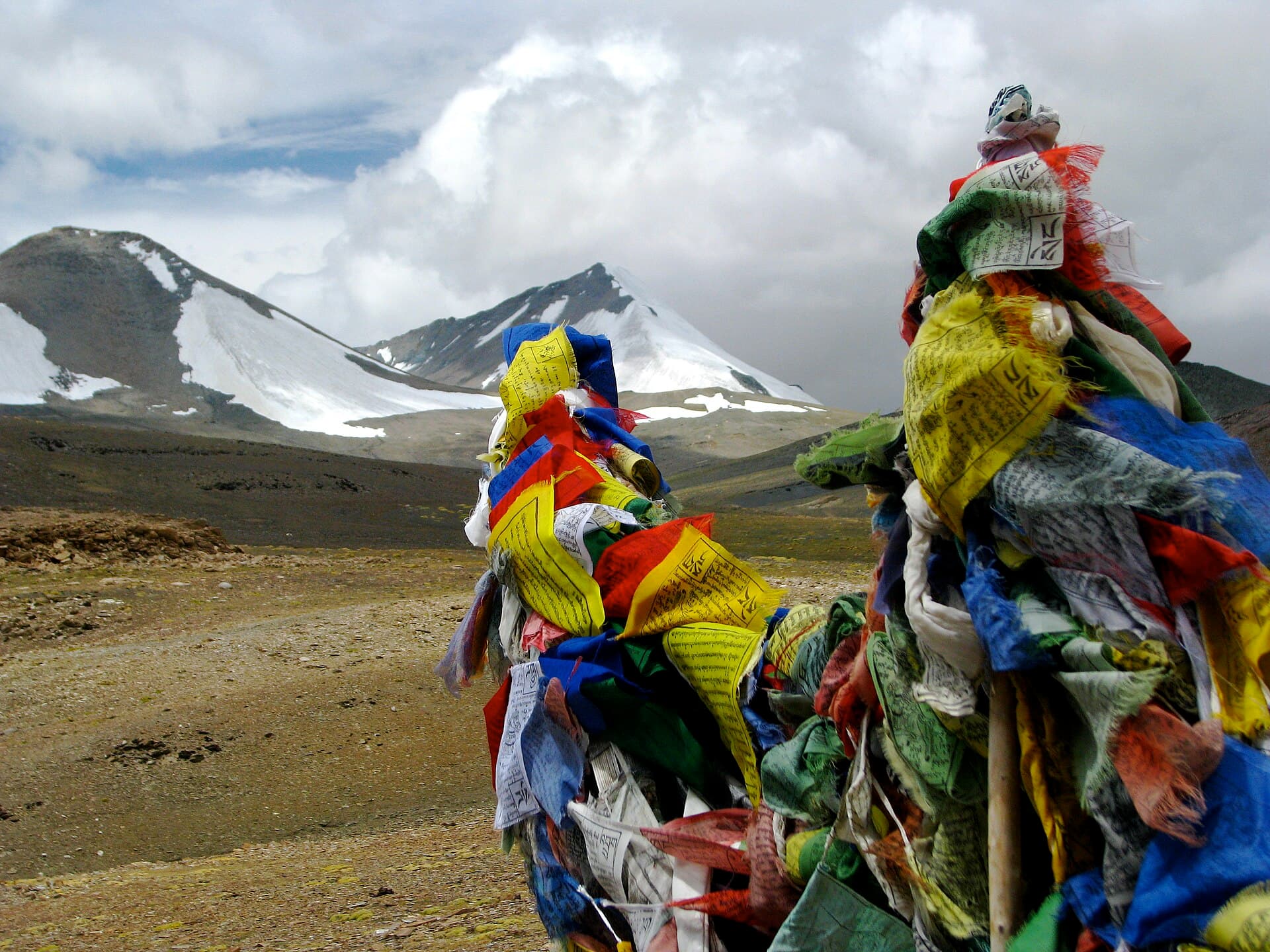
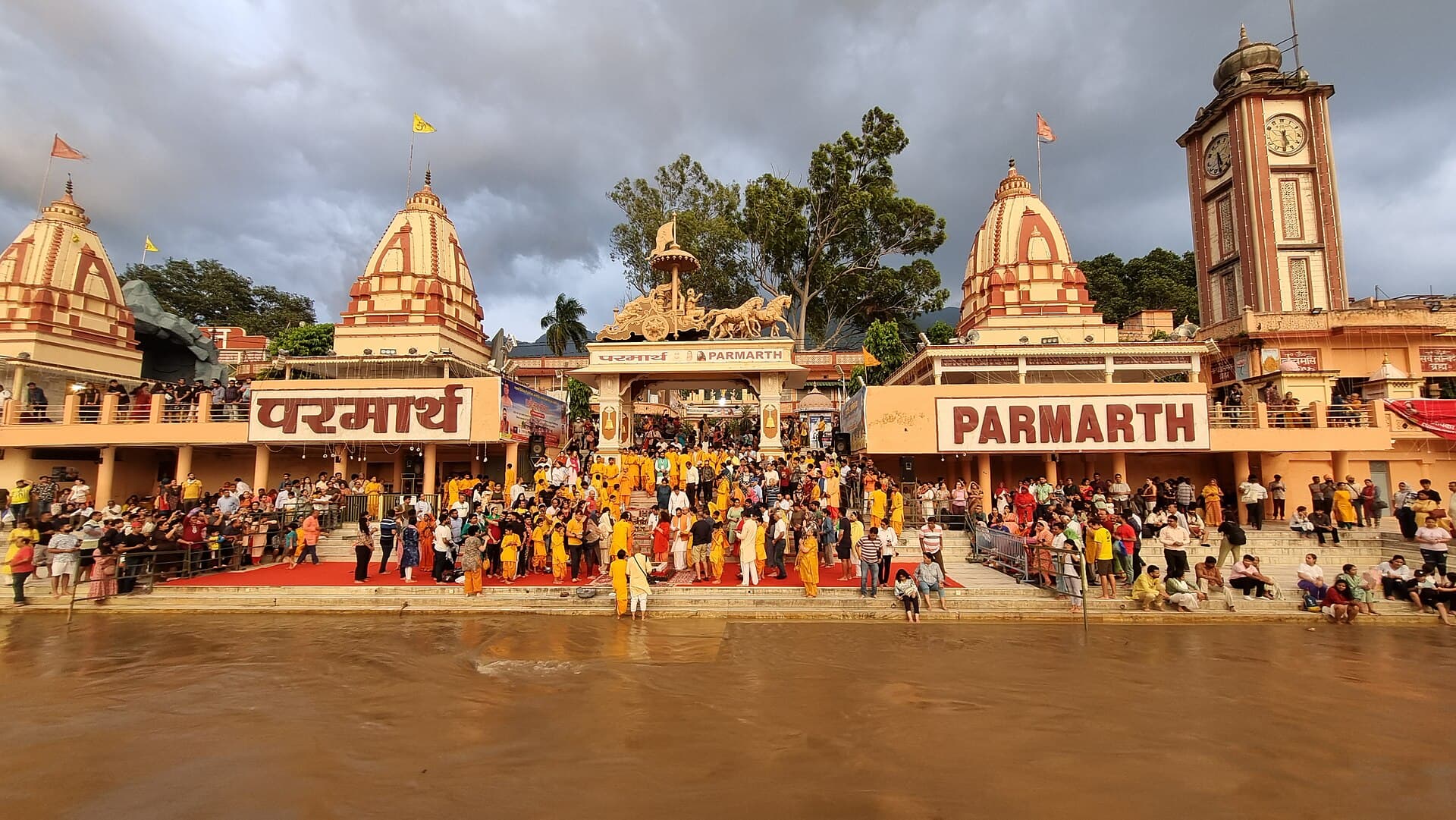
When the plains bake, India goes up. Ladakh is the headline act: a high-altitude desert of turquoise lakes and cliff-hung Buddhist monasteries, open June–September and unlike anywhere else on Earth. Below it, the hill stations do green Himalaya — Shimla's toy train and cedar walks, Rishikesh doing yoga and white water where the Ganges leaves the mountains, Dharamshala carrying Tibet in exile. Acclimatise properly in Leh: two quiet days before anything ambitious.
- Best time
- June–September for Ladakh; March–June and September–November for the hills
- Give it
- 5–8 days
- Don't miss
- Thiksey Monastery's dawn prayers, Ladakh · Pangong Lake's impossible blue · The Kalka–Shimla toy train · Evening aarti on the Ganges, Rishikesh